It starts with a splash, a drip, or a sudden squish underfoot. Whether it’s a failed water heater or a heavy rain event, a wet carpet is more than a soggy inconvenience; it is a ticking clock.
If you are wondering how long for mold to grow in wet carpet, the window is smaller than most homeowners realize. According to the CDC and the National Institute of Environmental Health Sciences (NIEHS), mold spores, which are naturally present in almost every indoor environment, can begin to colonize and grow on damp surfaces within just 24 to 48 hours.
Why the Critical 48 Hours Matter
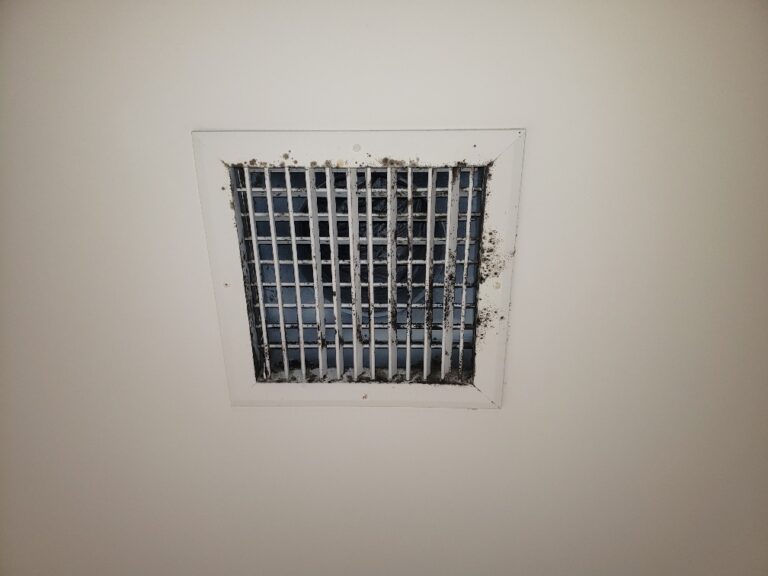
In the world of restoration, the first two days are critical. During this time, the water is typically considered “Category 1” (clean water), and the carpet is often salvageable. However, once that 48-hour mark passes, moisture trapped in the fibers and the underlying padding creates a high-humidity microclimate. This activation leads to the release of Microbial Volatile Organic Compounds (mVOCs); that unmistakable, musty wet carpet smell that signals mold is already winning.
DIY Prevention vs. Professional Remediation
The stakes are financial as well as respiratory. 2026 data suggests that professional mold remediation for a saturated carpet can cost anywhere from $775 to $2,600. In contrast, a proactive drying carpet after water leak DIY approach, utilizing extraction, aggressive airflow, and the best antimicrobial for wet carpet, can often be accomplished for under $100 in equipment rentals or supplies.
This guide breaks down the science-backed “Triple Threat” protocol to stop mold before it starts, helping you decide when to save your flooring and when it’s time to rip it out.
The Triple Threat Prevention Protocol
To successfully prevent mold, you cannot simply “let it air dry.” You need to treat the moisture like an invasive species. As noted in the EPA’s Brief Guide to Mold, Moisture, and Your Home, the key to mold control is moisture control; the faster you reduce the total moisture load in a building, the lower the risk of microbial colonization. We do this through a science-backed, three-pronged attack.
1. Physical Extraction: More Than Just Towels
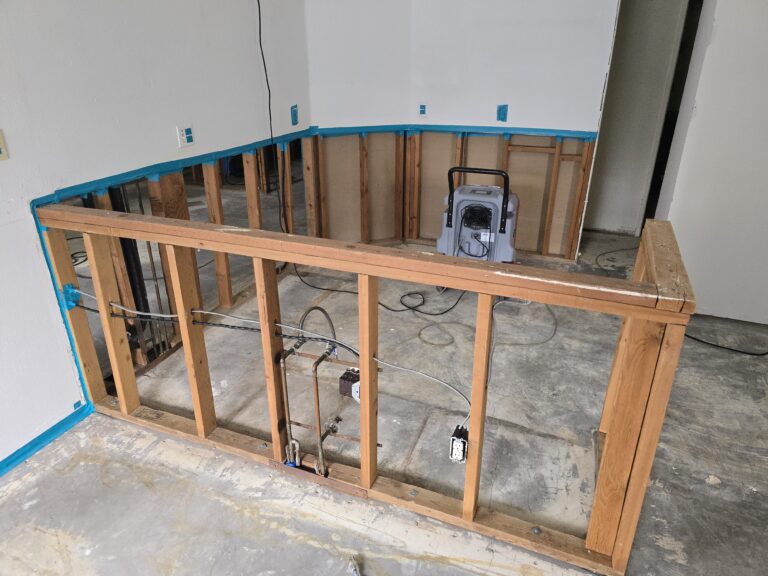
Many homeowners make the mistake of layering towels over a wet spot and stepping on them. While this pulls moisture from the carpet fibers, it does almost nothing for the carpet padding; the porous foam underneath that acts like a giant sponge.
To save the carpet, a wet/dry shop-vac or a professional-grade extractor is mandatory.
- Since you aren’t just cleaning, you have to physically remove the bulk water before it can settle into the subfloor.
- As such, you need to move the extraction wand slowly. If you can still see water entering the clear nozzle, there is still liquid trapped in the pad. According to restoration experts, extraction is 1,200 times more efficient at removing water than evaporation alone.
2. The Airflow Vortex
Once the bulk water is out, you have to tackle the remaining dampness through evaporation. This is where most DIY attempts fail by using one large oscillating fan in the center of the room.
To achieve laminar airflow, air that travels in a smooth, constant path across a surface, you need a vortex setup:
- Positioning: Place high-velocity air movers (or heavy-duty floor fans) at a 45-degree angle to the wall. This creates a cyclone effect that strips the thin layer of saturated air off the carpet surface, allowing drier air to take its place.
- Quantity Over Size: In 2026, the consensus among DIYers is that more fans are better than one big fan. Three smaller fans placed strategically to move air in a continuous circle around the room will dry the floor significantly faster than one industrial drum fan blowing in a single direction.
3. Antimicrobial Intervention (The Natural Way)
Even a dry-to-the-touch carpet can harbor microscopic spores waiting for the next humid day. This is where an antimicrobial treatment becomes your insurance policy.
If you are looking for the best antimicrobial for wet carpet in 2026 without the chemical smell of bleach or phenols, look toward botanical disinfectants:
- Thymol (Benefect): Derived from thyme oil, this is a staple in professional remediation because it kills 99.9% of mold spores while still being safe for children and pets.
- Tea Tree Oil Solutions: For a DIY approach, a mixture of tea tree oil and water can act as a natural fungicide.
- Application: Lightly mist (don’t soak!) the carpet after extraction but before you start the fans. This allows the antimicrobial to sit on the damp fibers and inhibit germination during the drying process.
The Subfloor Secret
The most dangerous phrase in DIY water restoration is: “It feels dry to the touch.” While the carpet fibers may feel crisp and dry after 24 hours of fans, the moisture has likely migrated downward. Gravity pulls water through the carpet, through the porous padding, and directly into the subfloor (the wood or concrete beneath). If the subfloor remains damp, it becomes a literal breeding ground for mold that you won’t see until it begins to rot the structure of your home.
The Solution: The Moisture Meter
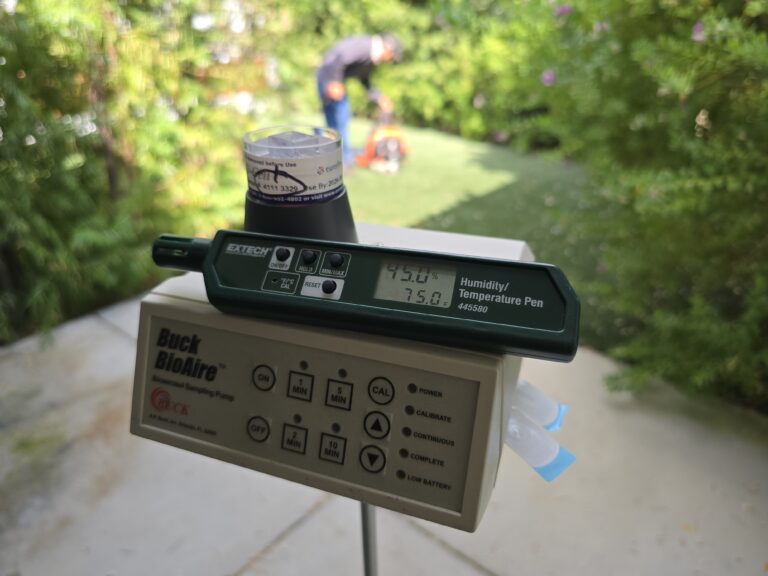
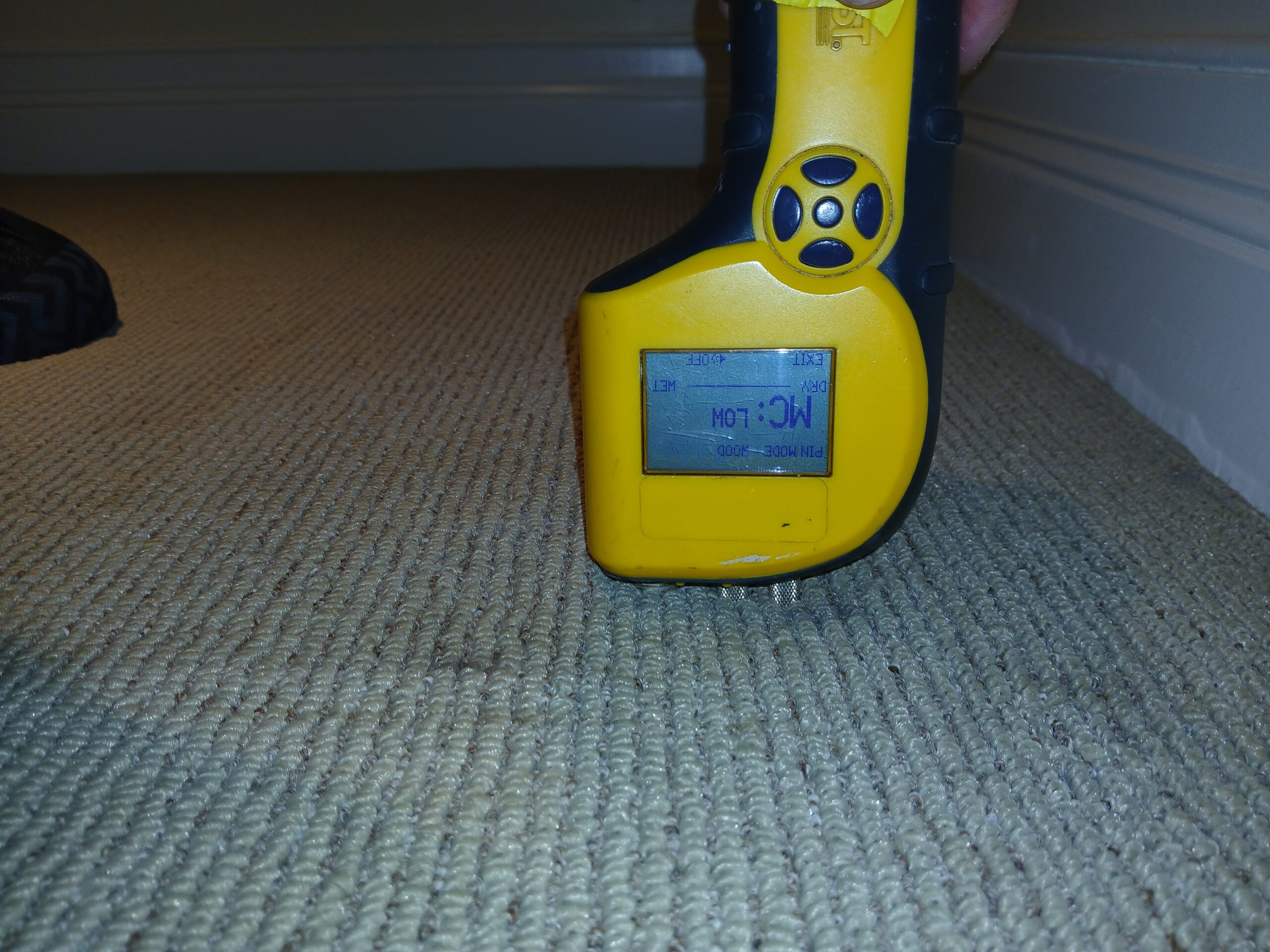
Today, you don’t have to guess. Professional-grade pinless moisture meters are now widely available and affordable at major US hardware stores like Home Depot or Lowe’s.
- The Rule of 16%: To prevent structural mold and wood rot, your subfloor must reach a moisture content (MC) of less than 16%.
- How to Check: Place the meter directly on the carpet or, ideally, pull back a corner of the carpet to test the wood or concrete underneath. If the reading is above 16%, your drying vortex needs to keep running, even if the carpet feels fine.
Salvage vs. Sacrifice: When to Rip it Out
Not every carpet can be saved. Part of preventing mold is knowing when the material itself has become a biohazard. Here are the two non-negotiable rules for disposal:
1. The 72-Hour Padding Rule
Carpet padding is essentially a dense, open-cell sponge. While carpet fibers are often synthetic (like nylon or polyester) and resistant to mold, padding is often made of recycled materials that trap organic dust and skin cells; perfect mold food.
- The Threshold: If the padding has been saturated for more than 72 hours, it’s generally recommended that it be replaced.
- The Compromise: Many homeowners find they can save the carpet by ripping out and discarding the wet padding, drying the subfloor, and then installing fresh padding. This allows them to fix the problem at a fraction of the cost of a full carpet replacement.
2. The Black Water Exception (Category 3)
The source of the water dictates whether you can safely stay in the room.
- Category 1 (Clean): Broken supply lines or tub overflows. These are candidates for DIY drying.
- Category 3 (Black Water): This includes sewage backups, rising floodwaters from outdoors, or toilet overflows containing waste.
Important: According to IICRC mandates, any porous material (carpet and pad) contacted by Category 3 water must be disposed of. No amount of antimicrobial spray or steam cleaning can guarantee the removal of the bacteria, viruses, and parasites embedded in the fibers. In these cases, DIY drying is a health risk.
Common Questions: Preventing Carpet Mold
When you are standing in a flooded room, you need answers fast. Here are the most critical facts about moisture and microbial growth in your flooring.
How long can a carpet stay wet before mold grows?
You have roughly 24 to 48 hours before permanent mold colonization begins. While high humidity can accelerate this, the 48-hour mark is the industry’s red zone where mold spores move from being dormant to actively growing on organic material like carpet backing and dust.
Can I save a wet carpet myself?
Yes, but only under two conditions:
1. The water was “Category 1” (clean tap water or a fresh pipe leak).
2. You can achieve total dryness (including the padding and subfloor) within 48 hours. If the water is from a sewer or flood, or if the carpet has been wet for more than three days, professional replacement is the only safe option.
Does baking soda prevent mold in wet carpet?
No. While baking soda is excellent for absorbing minor odors, it will not stop mold growth. Mold requires moisture and a food source; baking soda does nothing to kill the spores or remove the deep-seated moisture in the padding. To prevent mold, you need active extraction and high-velocity airflow, not just a topical deodorizer.
Conclusion: Act Fast to Save Your Floors
Preventing carpet mold after water damage is a race against biology. By following the Triple Threat Protocol, extraction, strategic airflow, and botanical antimicrobials, you can often avoid the thousands of dollars in remediation costs that come with hidden mold growth.
However, remember that the most important tool in your arsenal isn’t a fan or a vacuum; it’s the clock. Once you hit that 48-hour window, the risk to your indoor air quality and your family’s respiratory health increases exponentially. If you can’t get the subfloor moisture below 16% within that timeframe, it’s time to call in a professional to ensure your home remains a safe, mold-free environment.
Meta Description: Stop carpet mold before it starts. Learn the 48-hour Triple Threat protocol for drying wet carpet, saving subfloors, and choosing the best 2026 antimicrobials.
Read More from The Mold Facts
If you found this guide helpful, explore our deep dives into indoor air quality and remediation standards:
- The 10 Steps of Professional Mold Remediation – A breakdown of the IICRC S520 protocols used by the pros to ensure a home is truly “clear.”
- Hidden Health Signals: Is Your House Making You Sick? – Learn how to identify the subtle respiratory and neurological symptoms linked to chronic mold exposure.
- The Family Safety Protocol: Managing Mold Around Kids & Pets – Essential advice on using botanical disinfectants and containment strategies to protect your most vulnerable family members.

Robert Santanastasio, B.S., CIE
Director of Industrial Hygiene | CDPH Certified Lead Inspector | Founder, Fun Guy Inspections
Robert holds a B.S. in Cellular & Molecular Biology from CSUN and brings over 10 years of field experience in industrial hygiene, toxic microbial testing, and indoor air quality diagnostics.