What Property Managers, Facility Teams, and Homeowners Need to Know Before Moisture Becomes a Lawsuit
Mold is no longer viewed as a simple housekeeping issue. In 2026, it has become a building performance problem tied directly to HVAC systems, humidity control, deferred maintenance, and indoor air quality standards. For homeowners, mold can damage property values and create health concerns. For schools, offices, apartment complexes, and commercial facilities, it can lead to tenant complaints, insurance disputes, operational shutdowns, and liability exposure.
Recent building maintenance reports continue to show widespread moisture issues across U.S. infrastructure, including schools and commercial facilities dealing with active leaks, condensation failures, and hidden HVAC moisture buildup. The Environmental Protection Agency (EPA) has repeatedly emphasized that moisture control is the foundation of mold prevention in homes, schools, and commercial buildings.
The challenge is that most mold problems do not begin with visible black spots on walls. They begin inside ductwork, above ceiling tiles, around poorly insulated vents, behind drywall, or inside HVAC systems where condensation quietly accumulates over time.
This guide explains how modern HVAC systems contribute to mold growth, why condensation management matters more than ever, and what homeowners and property managers should do in 2026 to prevent costly remediation.
Why Mold and Condensation Are Becoming Bigger Problems in 2026
Modern buildings are designed to be energy efficient and tightly sealed. While that improves heating and cooling performance, it also reduces natural airflow. Moisture that once escaped now stays trapped indoors longer.
The EPA notes that moisture issues in schools and commercial buildings are commonly linked to:
- Roof and plumbing leaks
- Condensation on cool surfaces
- Poor ventilation
- HVAC drainage failures
- High indoor humidity
- Deferred maintenance
- Moisture-laden outdoor air entering buildings
For property managers, the situation becomes more serious because commercial HVAC systems run continuously and serve multiple occupants. One hidden moisture issue can affect an entire floor or building section before anyone notices.
In schools and offices, mold problems often remain hidden until occupants begin reporting:
- Persistent odors
- Allergy-like symptoms
- Headaches
- Asthma flare-ups
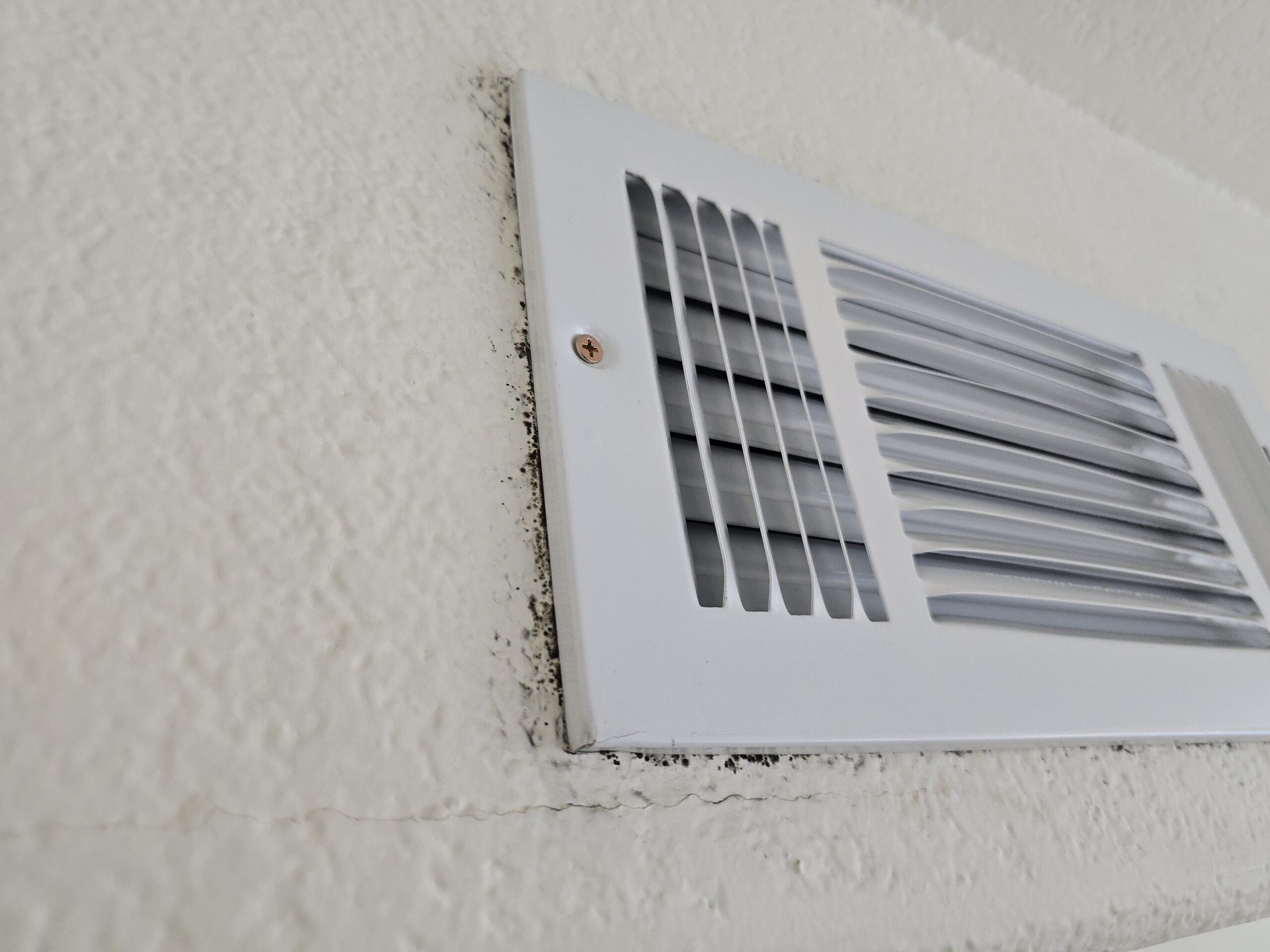
- Condensation around vents and windows
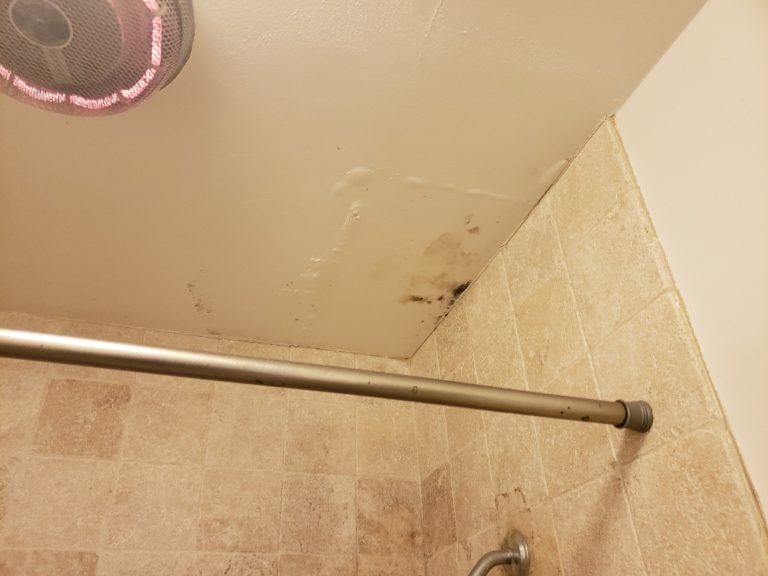
- Water-stained ceilings
- Excessive indoor humidity
The EPA specifically warns that uncontrolled moisture can damage structures, furnishings, ceilings, walls, and insulation while also impacting occupant health and performance.
The HVAC System Is Often the Real Source
Many building owners focus on cleaning visible mold while ignoring the system creating the moisture in the first place.
That system is usually HVAC.
Heating, ventilation, and air conditioning systems naturally produce condensation during cooling cycles. When warm humid air passes over cold evaporator coils, moisture forms and should safely drain away.
Problems begin when:
- Drain pans clog
- Air filters restrict airflow
- Duct insulation deteriorates
- Systems short-cycle
- Indoor humidity remains elevated
- Negative building pressure pulls humid outdoor air inside
The EPA advises building operators to keep HVAC drip pans clean and unobstructed and to inspect HVAC systems regularly to prevent moisture accumulation.
In large buildings, poor pressure balancing can worsen condensation problems dramatically. HVAC engineers and commissioning professionals frequently report that negative building pressure allows untreated humid air to infiltrate wall cavities and ceilings, increasing the likelihood of condensation and mold development.
This is especially common in:
- Schools
- Apartment complexes
- Hotels
- Retail centers
- Medical offices
- Older commercial buildings
The Humidity Threshold Most Buildings Get Wrong
One of the most overlooked factors in mold prevention is relative humidity.
The EPA recommends maintaining indoor humidity below 60%, ideally between 30% and 50%.
However, many indoor air quality specialists and building performance professionals now aim for stricter humidity targets, especially in humid climates and large commercial facilities.
In practice:
| Relative Humidity | Mold Risk Level |
| Below 50% | Lower risk |
| 50%–60% | Elevated monitoring needed |
| Above 60% | High mold and condensation risk |
For 2026 facilities management, many experts consider staying below 50% RH the safer operational target because mold can begin developing long before occupants notice visible signs.
This matters because condensation can occur even without active leaks.
When humid air meets cooler surfaces such as ducts, vents, pipes, or poorly insulated walls, water vapor condenses into liquid moisture. That moisture then feeds microbial growth inside hidden cavities.
The EPA specifically warns that mold growth does not require standing water and can occur simply from high humidity conditions.
Why MERV 13 Filtration Is Becoming the New Standard
In 2026, filtration standards are becoming part of broader indoor air quality strategies.
Many newer commercial buildings and upgraded residential HVAC systems now use MERV 13 filters because they capture significantly smaller airborne particles than older fiberglass or low-efficiency filters.
MERV 13 filters help reduce:
- Fine dust particles
- Airborne allergens
- Mold spores
- Smoke particles
- Some bacteria-carrying particulates
For property managers, filtration is no longer only about occupant comfort. It is increasingly tied to tenant expectations, wellness certifications, and liability reduction.
But filtration alone cannot solve moisture problems.
A building can have excellent filtration and still develop severe mold issues if humidity remains uncontrolled or HVAC condensation is unmanaged.
The most effective strategy combines:
- Proper airflow
- Balanced ventilation
- Humidity monitoring
- Routine HVAC maintenance
- Leak prevention
- High-efficiency filtration
When these systems work together, buildings maintain healthier indoor environments while reducing long-term remediation costs.
Hidden Condensation Zones Most Building Owners Miss
Condensation often develops in areas that occupants rarely inspect.
Common hidden moisture zones include:
1. Supply Ducts Above Ceiling Tiles
Poor insulation allows cold duct surfaces to sweat when exposed to warm humid air.
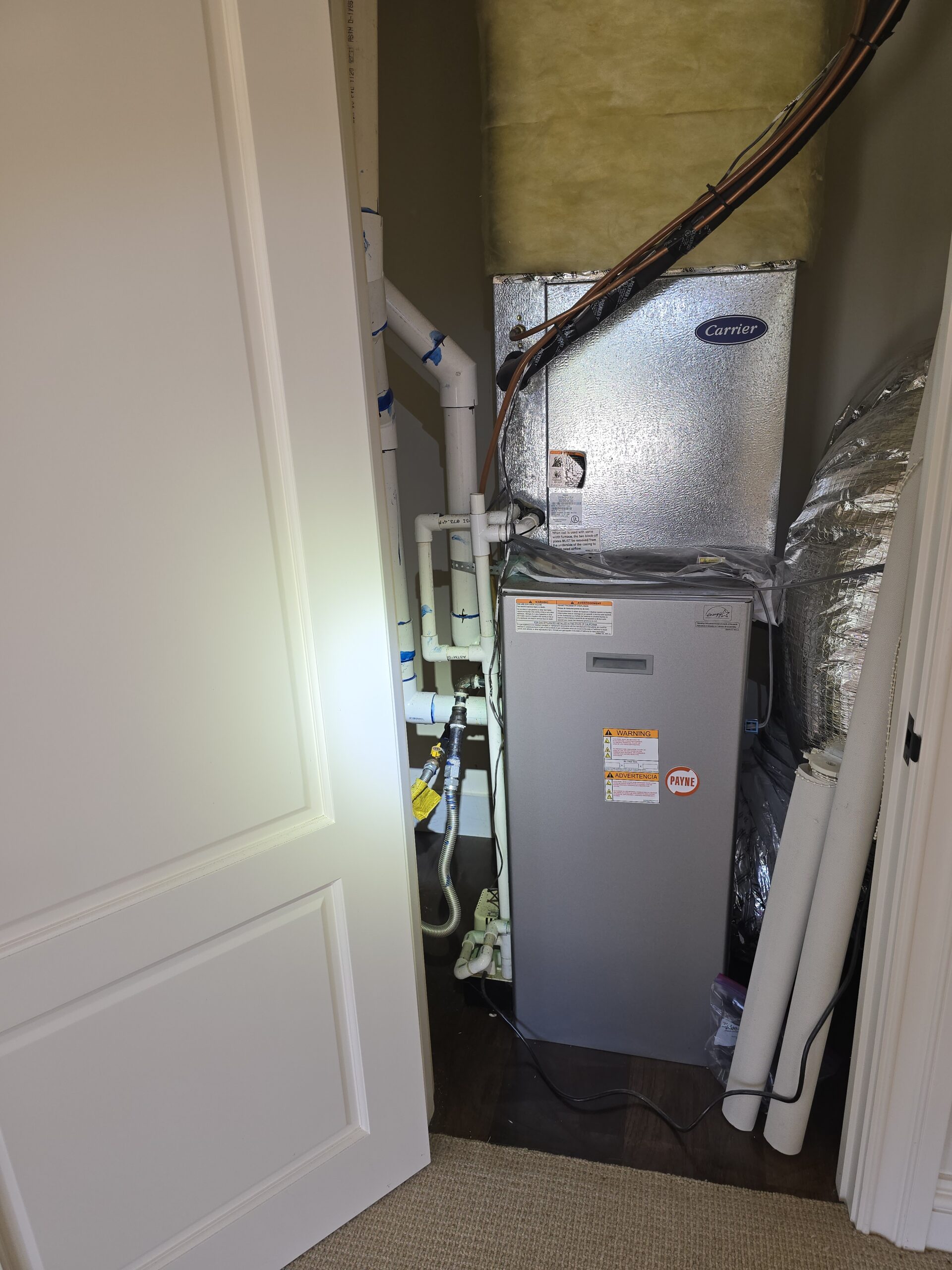
2. HVAC Air Handler Closets
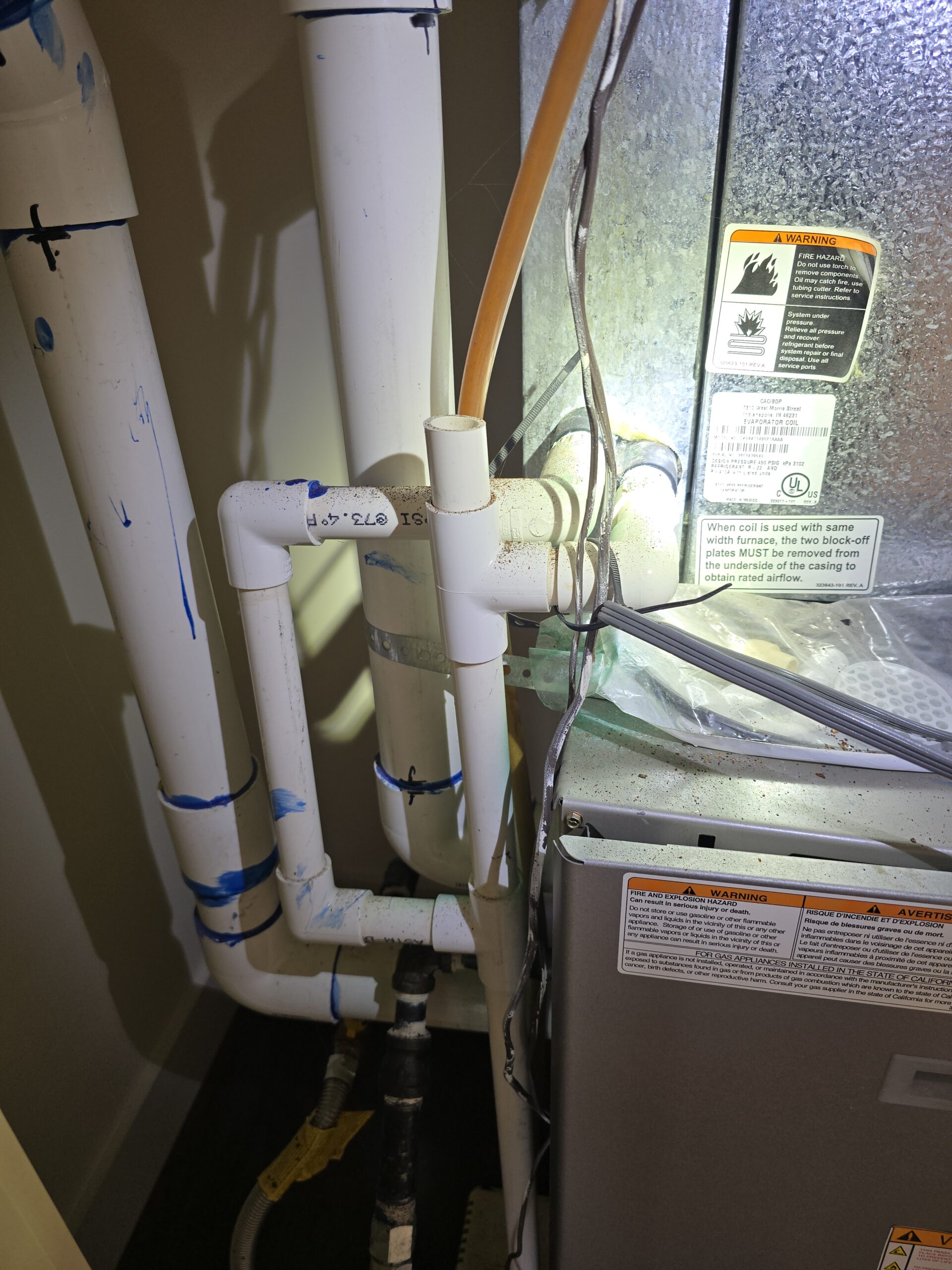
Small leaks and clogged drain pans can create persistent dampness around equipment.
3. Window Perimeters
Temperature differences around poorly sealed windows often produce condensation during seasonal weather changes.
4. Crawl Spaces and Basements
High humidity and inadequate ventilation create ideal mold conditions.
5. Utility Rooms
Mechanical rooms frequently contain hidden pipe condensation and insufficient airflow.
6. Commercial Rooftop Units
Roof leaks around HVAC penetrations commonly introduce unnoticed moisture into ceiling cavities.
The EPA advises facilities to respond quickly to moisture events and dry wet materials within 24 to 48 hours to prevent mold growth.
What Property Managers Should Prioritize in 2026
Commercial property teams can no longer rely on reactive mold cleanup alone.
The smarter approach is proactive moisture management.
Conduct Quarterly HVAC Moisture Inspections
Inspect:
- Drain pans
- Condensate lines
- Duct insulation
- Rooftop penetrations
- Air handler rooms
- Ceiling cavities near HVAC zones
Install Continuous Humidity Monitoring
Smart sensors now make it possible to monitor humidity in real time across:
- Schools
- Apartment buildings
- Warehouses
- Offices
- Hotels
The goal is early detection before mold becomes visible.
Upgrade Filtration Strategically
MERV 13 filtration is increasingly becoming a best-practice benchmark for indoor air quality improvements in commercial facilities.
However, systems must be evaluated to ensure they can handle the additional airflow resistance.
Address Building Pressure Issues
Negative pressure pulls humid outdoor air into buildings through cracks and gaps, increasing condensation risk.
Proper air balancing is critical, especially in humid climates.
Treat Small Leaks Like Major Problems
Many large mold claims begin with “minor” unresolved moisture issues.
A slow leak behind drywall can become a six-figure remediation project if ignored long enough.
Homeowners Are Facing the Same Risks
While commercial buildings face larger-scale exposure, homeowners are increasingly experiencing similar HVAC-related moisture problems.
Modern residential systems are more energy efficient but also more sensitive to:
- Oversized HVAC systems
- Poor attic ventilation
- Humid climates
- Dirty filters
- Blocked condensate drains
- Smart-home humidity imbalances
Signs homeowners should never ignore include:
- Musty odors near vents
- Persistent window condensation
- Uneven cooling
- Allergy symptoms indoors
- Bubbling paint or drywall
- Excessive indoor humidity
The EPA emphasizes that controlling moisture indoors is the key to controlling mold growth.
The Future of Mold Prevention Is Building Intelligence
The HVAC industry is rapidly moving toward smarter building monitoring systems that track:
- Humidity
- Air pressure
- Airflow performance
- Condensation risks
- Indoor air quality metrics
Researchers and building engineers increasingly view HVAC management as part of a larger building-performance strategy rather than simple temperature control.
For property managers, this shift is significant.
The buildings that perform best in 2026 will not necessarily be the newest buildings. They will be the buildings that actively monitor moisture before damage occurs.
Mold prevention is no longer just about cleaning visible growth. It is about managing moisture at the system level.
Whether you manage a single-family home, apartment complex, school district, or commercial property portfolio, the same principle applies:
Control moisture before mold has a chance to grow.
That means:
- Keeping indoor humidity below 50% when possible
- Maintaining HVAC systems consistently
- Upgrading filtration thoughtfully
- Fixing leaks immediately
- Monitoring condensation risks proactively
- Treating indoor air quality as a long-term operational priority
In 2026, the buildings with the healthiest indoor environments will be the ones that stop viewing mold as a cleanup problem and start treating it as a building-performance issue from day one.
Frequently Asked Questions About HVAC Mold & Condensation Management
What humidity level is considered safe to prevent mold growth?
The EPA recommends keeping indoor relative humidity below 60%, ideally between 30% and 50%. However, many HVAC and indoor air quality professionals now recommend maintaining humidity below 50% whenever possible to reduce condensation and mold risk in modern buildings.
When humidity consistently rises above 60%, moisture can begin accumulating on cool surfaces like ducts, vents, pipes, and windows, creating conditions where mold can grow rapidly.
Can mold grow in HVAC systems even if there are no visible leaks?
Yes. Mold does not require standing water or major leaks to develop. Condensation inside HVAC systems can create enough moisture for mold growth.
Common causes include:
- Clogged condensate drain lines
- Dirty evaporator coils
- Poor airflow
- Sweating ductwork
- High indoor humidity
- Improper insulation around ducts and vents
Many mold problems begin inside hidden HVAC components before becoming visible elsewhere in the building.
What are the warning signs of HVAC-related mold problems?
Common signs include:
- Musty odors when the HVAC system runs
- Increased allergy or asthma symptoms indoors
- Visible condensation around vents or windows
- Water stains near ceilings or ductwork
- Excessive indoor humidity
- Uneven cooling or airflow
- Mold growth near vents or air returns
If multiple occupants report similar symptoms in a commercial building, school, or apartment complex, HVAC moisture issues should be investigated immediately.
Are MERV 13 filters good for mold prevention?
MERV 13 filters can help reduce airborne mold spores and improve indoor air quality by capturing smaller particles than standard filters.
They are especially beneficial in:
- Commercial buildings
- Schools
- Medical facilities
- Multifamily housing
- Homes with allergy-sensitive occupants
However, MERV 13 filters are not a standalone mold solution. Humidity control and moisture management are still essential.
Can dirty air filters cause condensation problems?
Yes. Dirty or clogged air filters can restrict airflow across evaporator coils, causing the coils to become excessively cold.
This can lead to:
- Frozen coils
- Excess condensation
- Water overflow from drain pans
- Increased indoor humidity
- Moisture buildup inside ducts
Routine filter replacement is one of the simplest ways to reduce HVAC moisture risks.
How often should HVAC systems be inspected for mold and moisture issues?
For homeowners, HVAC inspections are recommended at least twice per year, typically before summer and winter seasons.
For commercial properties, schools, and multifamily buildings, quarterly inspections are often recommended because larger systems operate continuously and face higher moisture loads.
Inspections should include:
- Drain pans
- Condensate lines
- Duct insulation
- Rooftop units
- Air handlers
- Humidity readings
- Signs of hidden leaks or condensation
Why do commercial buildings experience more condensation issues?
Commercial buildings often operate with:
- Larger HVAC systems
- Continuous occupancy
- Complex ventilation setups
- Higher internal humidity loads
- Tight building envelopes
- Extended operating hours
Improper air balancing or negative building pressure can also pull humid outdoor air into the structure, increasing condensation risks inside walls, ceilings, and duct systems.
Is condensation around air vents normal?
A small amount of temporary condensation may occur in very humid conditions, but persistent sweating around vents is usually a warning sign.
Possible causes include:
- High indoor humidity
- Poor duct insulation
- Oversized HVAC systems
- Restricted airflow
- Negative building pressure
- Warm humid air contacting cold surfaces
Persistent vent condensation should be evaluated before mold develops.
How quickly can mold grow after water exposure?
Mold can begin growing within 24 to 48 hours after moisture exposure if conditions remain damp.
This is why building professionals emphasize rapid drying after:
- Roof leaks
- Pipe leaks
- Flooding
- HVAC drain overflows
- Condensation events
The faster moisture is removed, the lower the risk of mold growth.
What is the best long-term strategy for mold prevention?
The most effective long-term strategy combines:
- Humidity control below 50% with a dehumudifier
- Routine HVAC maintenance
- Prompt leak repairs
- Proper ventilation
- Continuous monitoring
- High-efficiency filtration
- Fast response to water intrusion
Successful mold prevention focuses on controlling moisture at the source instead of only treating visible mold after it appears.

Robert Santanastasio, B.S., CIE
Director of Industrial Hygiene | CDPH Certified Lead Inspector | Founder, Fun Guy Inspections
Robert holds a B.S. in Cellular & Molecular Biology from CSUN and brings over 10 years of field experience in industrial hygiene, toxic microbial testing, and indoor air quality diagnostics.