

The 2026 Prevention Protocol
Black mold (Stachybotrys chartarum) is a toxigenic fungus that thrives in moisture-damaged buildings, posing significant black mold health risks like respiratory distress and chronic fatigue. The mold prevention 2026 standard focuses on a proactive “Family Safety Protocol” built on three pillars: precision moisture control, AI-driven smart monitoring, and medical-grade HEPA filtration to stop spores before they colonize.
Is black mold dangerous for my family?
Yes, it can be. While many molds cause simple hay-fever symptoms, Stachybotrys chartarum is notorious for producing mycotoxins, microscopic compounds that can be inhaled or absorbed through the skin.
For families, the danger often hides in plain sight. It isn’t just about a visible stain on the drywall; it’s about the invisible air quality. Modern homes are built to be airtight for energy efficiency, and that can trap humidity, creating a greenhouse effect for mold if a leak occurs. Many experts find that prolonged exposure tends to hit the most vulnerable the hardest, making early identification the most critical step in your safety strategy.
With this guide, we’ll help you spot the difference between common mildew and toxic black mold, review some of the smart sensors used to catch leaks before they become colonies, and finally discuss how to safely clear the air and keep it that way.
The Science of Stachybotrys: Beyond the Black Spot
To protect your home, you must understand that black mold isn’t just a color, it’s a specific biological entity. While there are thousands of mold species, Stachybotrys chartarum occupies a unique and dangerous niche in indoor microbiology.
Understanding Mycotoxins: The Invisible Threat
The primary reason Stachybotrys earns its toxic reputation is its production of macrocyclic trichothecenes. These are secondary metabolites, essentially chemical weapons, produced by the mold. Unlike common allergens that cause a simple immune response (sneezing or itchy eyes), these mycotoxins can inhibit protein synthesis and cause cellular damage in humans and pets.
The World Health Organization (WHO), in its Guidelines for Indoor Air Quality, notes that the presence of toxigenic molds like Stachybotrys is strongly associated with adverse health effects, including respiratory symptoms, infections, and the exacerbation of asthma. The danger often peaks during spore aerosolization, which occurs when a mold colony is disturbed (by a DIY cleaning attempt or a dry HVAC cycle), launching these toxins into the air your family breathes.
Pathogens vs. Allergens: Knowing the Difference
It is vital to distinguish between common household molds (like Cladosporium or Aspergillus) and toxic pathogens. While both can trigger mycotoxicosis in high enough concentrations, their behavior and risks differ significantly.
| Feature | Common Mildew / Mold | Toxic Black Mold (S. chartarum) |
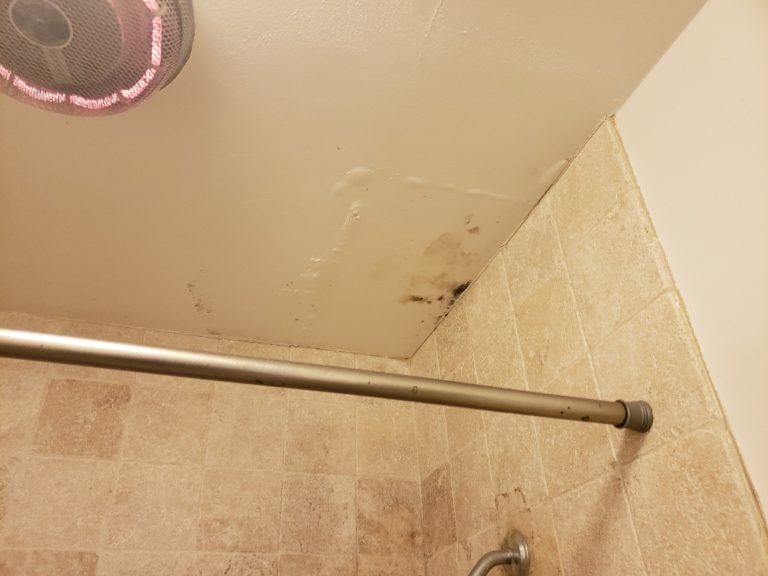
| Appearance | Powdery, gray/white, or speckled. | Slimy, soot-like, or dark greenish-black. |
| Growth Habit | Grows on surfaces (tile, grout, fabric). | Grows on high-cellulose material (drywall, wood). |
| Primary Risk | Allergies and hay fever symptoms. | Neurological symptoms and chronic inflammation. |
| Moisture Need | Thrives in high humidity. | Requires constant moisture or water damage. |
| Classification | Primarily an Allergen. | Potentially a Pathogen/Toxigenic. |
Expert Note: Many landlords and inspectors find that Stachybotrys rarely travels alone. It often appears after other molds have already colonized a water-damaged area, signaling a long-term moisture problem that requires professional intervention.
Risk Assessment for Vulnerable Groups: Who is Most at Risk?
While black mold is a concern for any homeowner, the stakes are significantly higher for some members of your family unit.
Infants and Children: The AIPH Connection
The developing lungs of infants are particularly susceptible to environmental stressors. The American Academy of Pediatrics (AAP) has historically highlighted the potential for severe respiratory distress in damp, moldy environments.
- The AIPH Concern: There has been significant clinical discussion regarding Acute Idiopathic Pulmonary Hemorrhage (AIPH), sudden bleeding in the lungs of previously healthy infants. While the CDC notes that a definitive cause-and-effect link is still being researched, multiple case studies (including famous clusters in Cleveland, Ohio) found a high prevalence of Stachybotrys in the homes of affected infants.
- Asthma Development: Beyond acute risks, a 2016 study suggests that high mold levels in early childhood are a major risk factor for the permanent development of asthma.
Seniors and The Immunocompromised
For older adults, particularly those managing COPD or Asthma, mold spores act as a “force multiplier” for respiratory failure.
- Compounding Issues: According to the American Lung Association, inhaling spores can trigger immediate flare-ups, leading to increased reliance on rescue inhalers or hospitalization.
- Fungal Infections (Mycosis): For immunocompromised mold risks (such as those undergoing chemotherapy or with autoimmune disorders), the risk isn’t just an allergy. Spores can, in rare cases, begin to colonize living tissue in the sinuses or lungs, a condition known as aspergillosis or systemic mycosis.
Pets
Pets often show black mold symptoms before humans do, primarily because they spend more time near the floor where spores settle and “groom” toxins off their fur.
The 2026 Prevention Protocol: Advanced Home Defense
The modern “Family Safety Protocol” focuses on creating an environment where Stachybotrys cannot physically survive. This requires a synergy between smart technology and structural integrity.
What is the safest humidity level to prevent mold growth?
To prevent mold germination, you must maintain indoor relative humidity between 30% and 50%. Once levels exceed 60%, even for short periods, dormant spores can begin to hydrate and colonize organic materials like drywall or wood.
1. Smart Home Integration: The “Set & Forget” Strategy
The most effective way to manage moisture is through automation. By using smart hygrometer mold prevention tools, you remove the human error of manual checks.
- Smart Linking: Devices like the Govee Home sensors or Ecobee thermostats can now be linked directly to smart plugs or dedicated dehumidifiers.
- The 2026 Standard: Set your automation to trigger a high-capacity dehumidifier the moment humidity hits 51%. This ensures the air never enters the danger zone where spores thrive.
- Leak Detection: Modern systems now include water-rope sensors placed behind washing machines and under sinks that send immediate push notifications to your phone at the first drop of a leak.
2. Air Hygiene: MERV 13 vs. True HEPA-13
If you are serious about removing Stachybotrys spores, you must understand the “13” distinction when it comes to HEPA air purifiers for mycotoxins:
- MERV 13 Filters: Typically found in HVAC systems. While excellent for dust and pollen, they are designed to protect your furnace, not necessarily to scrub the air of microscopic mycotoxins.
- True HEPA-13 (Medical Grade): These are the gold standard for mold prevention 2026. A True HEPA filter is rated to capture 99.97% of particles as small as 0.3 microns. Since mold spores typically range from 3 to 100 microns, and mycotoxin-carrying dust can be even smaller, HEPA-13 is your primary line of defense for air purification.
3. The Envelope Check: Structural Maintenance
Technology is only a bandage if your home’s “envelope” is compromised. Many contractors find that the best dehumidifier for mold cannot keep up with a structural leak.
- Gutters and Grading: Ensure soil slopes away from your foundation (at least 6 inches of drop over 10 feet). Clogged gutters are the #1 cause of basement mold.
- Roof Flashing: Inspect the metal seals around chimneys and vents. Micro-cracks here allow water to seep into the attic, where Stachybotrys can grow undetected behind insulation.
- The “Window Sweat” Test: If you see condensation on the inside of your windows in the morning, your humidity is too high, and your ventilation is insufficient.
Modern Remediation: When DIY is Dangerous
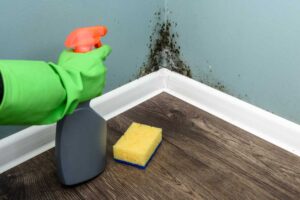
It is a common instinct to grab a bottle of bleach the moment a dark stain appears. Today, however, remediation experts have moved away from trial and error toward science-based protocols. Mismanaging Stachybotrys can actually spread the infestation, turning a localized problem into a whole-home crisis.
The “10 Square Foot Rule”
The Environmental Protection Agency (EPA) provides a clear benchmark for homeowners: if the moldy area is less than 10 square feet (roughly a 3ft x 3ft patch), you can typically handle the job yourself.
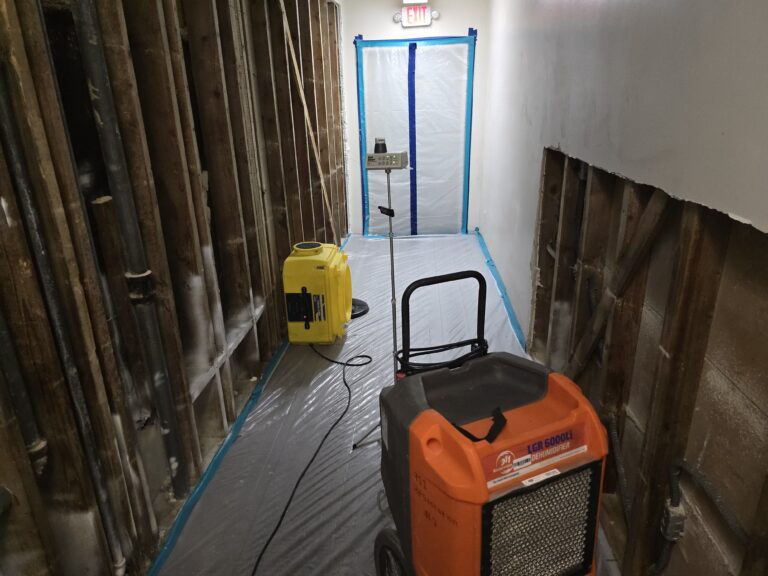
However, if the growth exceeds this limit, or if the mold was caused by contaminated “black water” (sewage), a certified professional should be called. Attempting to scrub large colonies without professional-grade containment can lead to massive spore aerosolization, contaminating your entire HVAC system.
The Great Bleach Myth: Why It Fails
Does bleach kill black mold? Technically, it kills surface spores on non-porous materials like tile or glass. But on porous surfaces like drywall, wood, or carpet, bleach is often counterproductive.
- The Root Problem: Mold grows “roots” (hyphae) deep into porous materials.
- The Water Trap: Chlorine bleach is approximately 90% water. When applied, the chlorine stays on the surface, while the water soaks deep into the material.
- The Result: You bleach the color out of the surface (making it look clean), but you are actually feeding the internal roots with moisture. This often leads to the mold returning stronger within days.
Safer, Smarter Alternatives
For small DIY jobs, the 2026 protocol recommends moving away from harsh chemicals in favor of surfactants and fungistats:
- Distilled White Vinegar: Contains acetic acid, which can penetrate porous surfaces and kill mold at the root without adding excess moisture.
- Specialized Encapsulants: Products like Concrobium or antimicrobial shields crush the spores as they dry and leave a protective barrier to prevent regrowth.
- HEPA Vacuuming: Never use a standard vacuum on mold. Use a certified HEPA vacuum to capture spores without exhausting them back into the room.
Mold Remediation Costs 2026: What to Expect
If you must call the pros, transparency is key. According to current industry benchmarks, mold remediation costs in 2026 vary based on the “Class” of the water damage:
- Minor attic/basement remediation: $1,500 – $3,500.
- Whole-home HVAC duct cleaning and sanitization: $2,000 – $5,000.
- Major structural restoration: $10,000+.
Pro Tip: Always ensure your contractor follows IICRC S520 guidelines. This ensures they use negative air pressure machines and air scrubbing to keep your family safe during the process.
Conclusion: Your Home, Protected
The 2026 Prevention Protocol is more than just a cleaning routine; it’s a commitment to air hygiene. By combining smart monitoring technology with structural maintenance and scientifically backed remediation, you can ensure that Stachybotrys chartarum never gains a foothold in your home. Remember: the goal isn’t just to hide the mold, but to eliminate the moisture that invites it.
Frequently Asked Questions (FAQ)
What does black mold smell like? Black mold has a distinct, pungent odor often described as musty, earthy, or like wet socks. This scent is caused by Microbial Volatile Organic Compounds (mVOCs) released as the mold digests organic material like drywall or wood. If you smell it but don’t see it, the mold is likely behind your walls.
How long does it take to get sick from black mold? There is no universal timeline, as sensitivity varies. However, many medical professionals find that individuals in high-moisture environments may start showing symptoms (red eyes, sneezing) within 24 to 48 hours of exposure. Chronic neurological or respiratory symptoms typically develop after weeks or months of prolonged exposure.
Can you stay in a house with black mold? It depends on the location and size of the colony. If the mold is contained within a small, sealed area (like under a single sink), the home may be safe. However, if the mold is in your HVAC system or covers more than 10 square feet, it is generally recommended to relocate until professional remediation is complete.
Continue Your Research
Prevention is an ongoing process. To further strengthen your home’s defenses, explore these high-authority guides:
- The 2026 Smart Sensor Review: Which hygrometers and leak detectors actually play nice with your smart home hub?
- The Bathroom Defense Plan: Stopping Mold at the Source High-moisture zones are the primary breeding grounds for Stachybotrys. We explore the 2026 standards for antimicrobial caulking to curb mold growth.
- The Ultimate HEPA Guide: A deep dive into the difference between “HEPA-type” filters and medical-grade HEPA-13 systems.