Mold exposure triggers a complex array of symptoms ranging from respiratory irritation to neurological brain fog. This guide explores the health risks, the psychological and economic toll of infestation, and professional-grade prevention strategies to safeguard your well-being and property value.
More Than Just a Musty Smell
Indoor mold is a biological pollutant that affects nearly half of all U.S. households. For many, the symptoms of mold exposure are stealth triggers; chronic issues that are often misdiagnosed as seasonal allergies or general fatigue. To truly address mold, one must understand that it is not just a surface stain, but an environmental toxin that impacts the respiratory, nervous, and immune systems.
Respiratory Symptoms Caused By Mold
The respiratory system is the most frequent target of mold spores. These microscopic particles are easily inhaled, reaching deep into the lung tissue. The respiratory system serves as the primary conduit for mold exposure, as airborne spores are small enough to bypass initial filtration in the upper nasal passages and reach the lower respiratory tract.
- Allergic Rhinitis: Constant sneezing, runny nose, and congestion that doesn’t resolve with typical cold medicine.
- Asthma Development: Research suggests that mold exposure is not just a trigger for asthma attacks but may actually cause the development of asthma in genetically susceptible children.
Asthma Metric | Impact of Mold Exposure |
Attribution rate | |
Total case load | Approximately 4.6 million cases |
Symptom increase | 30% to 50% increase in respiratory illness rates |
Improvement post-remediation |
- Hypersensitivity Pneumonitis: This is a serious immune system disorder where the lungs become inflamed as an allergic reaction to inhaled dust or molds, potentially leading to permanent lung scarring if the source isn’t removed.
Does Mold Affect Eyes and Skin?
Mold exposure may cause eye irritation, itching, or watery eyes. Direct contact can also trigger skin redness or rashes. These symptoms occur when mold spores or mycotoxins come into direct contact with the sensitive epithelial tissues of the body.
- Ocular Irritation: Common symptoms include redness, itching, and excessive tearing, similar to conjunctivitis. In more severe cases involving toxigenic molds, patients may report blurred vision or heightened sensitivity to light (photophobia).
- Skin Flare-ups: Exposure to mold can manifest in skin reactions, including rashes, hives, and significant itching. These reactions can occur through airborne contact or direct skin interaction with mold-infested materials, such as wet drywall or contaminated upholstery.
Mold Exposure as a Possible Cause of Headaches and Fatigue
Among the most reported, yet often dismissed, symptoms include a profound sense of exhaustion, headaches, and a feeling of pressure. These systemic symptoms are often the most debilitating and the least understood by general medical practitioners.
- Mitochondrial Stress: Mycotoxins (toxic chemicals produced by certain molds) can interfere with cellular energy production, leading to chronic fatigue that is unresponsive to rest.
- Systemic Inflammation: Chronic headaches or migraines are often the result of the body’s immune system staying in a permanent “high alert” state, leading to neuroinflammation.
Why Mold Make Sinus Problems Worse
Mold spores can aggravate sinus congestion and post-nasal drip, particularly in people with allergies or asthma.
- Fungal Sinusitis: This condition results from an intense inflammatory reaction to fungi that have colonized the sinus cavities. Unlike a typical sinus infection, AFS is an allergic response to the presence of the fungus itself, leading to the production of thick fungal debris and nasal polyps.
- Persistent Post-Nasal Drip: The constant inhalation of microbial volatile organic compounds (mVOCs) irritates the sinuses, leading to chronic congestion, sneezing, and a frequent runny nose. If an individual finds themselves congested only when at home or in the office, mold accumulating in the walls, carpets, or HVAC systems should be considered a primary suspect.
How Else Can Mold Impact Your Well-Being?
In some instances, mold exposure may coincide with neurological symptoms like difficulty concentrating or brain fog, especially in environments with prolonged dampness.
- Cognitive Impairment (“Brain Fog”): “Brain fog” is a term used to describe a cluster of cognitive deficits including difficulty concentrating, memory lapses, and reduced executive function. Victims often report feeling “foggy” or easily distracted, with significant issues in short-term recall.
- Mood Disruptions: Studies have associated prolonged mold exposure with increased levels of depression, anxiety, and irritability. These shifts are not merely psychological reactions to being ill; they are the result of inflammatory responses in the brain and the disruption of neuropeptides that regulate mood.
The Economic-Health Connection: A Vicious Cycle
The economic impact of mold is not just about the cost of repairs; it is a significant driver of health decline. When a homeowner discovers a severe mold issue, the financial burden, ranging from $2,000 to $30,000+ for remediation, often triggers a massive cortisol spike.
How Economic Stress Compounds Physical Illness:
- Cortisol & The Immune System: The financial stress of a “sick house” keeps cortisol levels high. Prolonged high cortisol suppresses the immune system, making the body more susceptible to the very mold toxins it is trying to fight.
- The “Sunk Cost” Trap: Many residents stay in moldy environments because they cannot afford to move or fix the problem. This leads to learned helplessness, a psychological state that exacerbates the physiological symptoms of depression and fatigue.
- Property Devaluation: Realizing your primary asset has lost 20% of its value creates a state of “chronic survival stress,” which has been clinically proven to slow down the body’s natural detoxification processes.
Proactive Prevention: Safeguarding Your Air
In the world of building science, the old adage holds true: prevention is the only 100% effective cure for mold-related illness. By following ASHRAE standards, you can turn your home into an inhospitable environment for spores before they ever take root.
Professional Standards for a Mold-Free Home
- Master Your Humidity: Think of 50% as your magic number. Using a high-capacity dehumidifier to keep indoor relative humidity between 30% and 50% is your first line of defense. Once you cross the 60% threshold, you’ve essentially rolled out a red carpet for mold growth.
- Invest in HEPA Filtration: Not all filters are created equal. Use air purifiers equipped with True HEPA filters to capture airborne spores before they have a chance to settle on your surfaces.
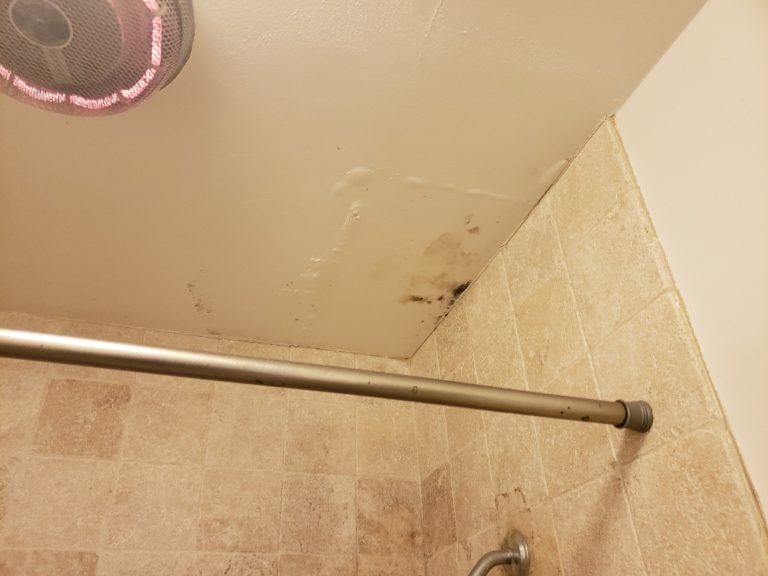
- Ventilate with Intent: Proper airflow is vital, but direction matters. Ensure bathrooms and kitchens vent directly to the outside, never into the attic. Inadequate ventilation is the leading cause of hidden attic mold, which can go unnoticed for years while affecting your air quality.
The DIY vs. Professional Boundary
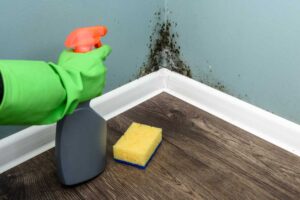
We all love a good weekend project, but mold remediation comes with high stakes. To protect your health and your property value, it’s important to know when to put down the sponge and call in the experts.
When You Can Handle It (DIY)
If the mold is limited to a small area, less than 10 square feet (roughly a 3ft x 3ft patch), and is living on a non-porous surface like tile, glass, or metal, you can generally manage it yourself.
- The Gear: Never skip the PPE. At a minimum, wear an N95 mask, gloves, and goggles.
- The Method: Stick to simple detergent and water; avoid “miracle” sprays that might just bleach the mold without removing the source.
When to Call a Professional
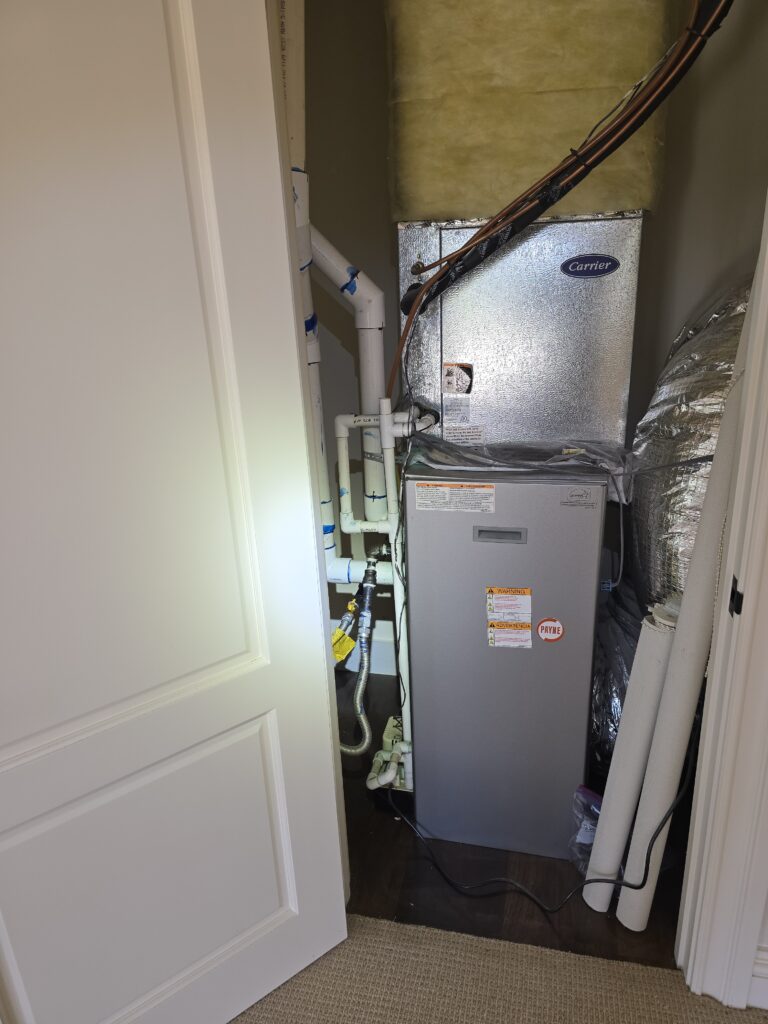
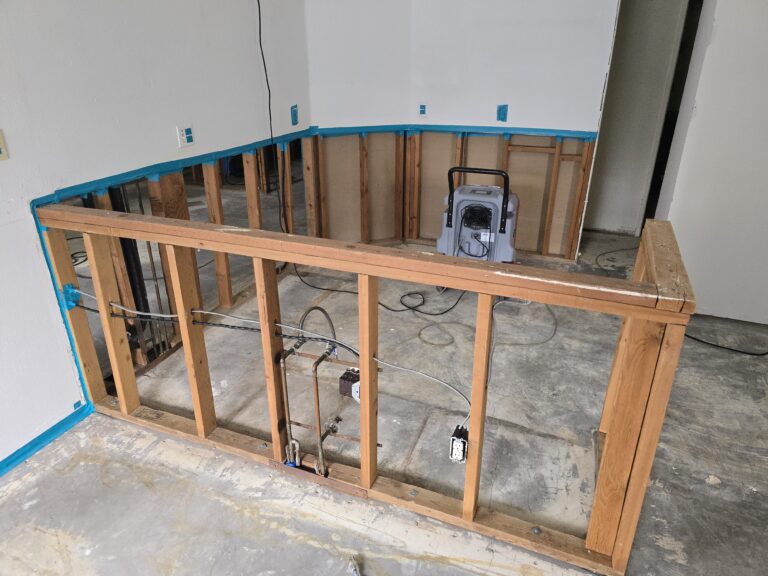
If the mold covers more than 10 square feet, is the result of a flood, or has found its way into your HVAC system, DIY attempts become risky.
Remember: Scrubbing large colonies without negative air pressure containment is a recipe for disaster. Without professional-grade isolation, you’ll likely launch millions of spores into the air, cross-contaminating your entire home and potentially worsening health symptoms overnight.
Frequently Asked Questions
How long does it take for mold to make you sick?
Symptoms can appear within 24 to 48 hours in highly sensitive individuals. For others, it may take weeks or months of “low-dose” exposure before the body’s toxic load is reached and systemic symptoms like fatigue or brain fog emerge.
Can you see all types of household mold?
No. Some of the most toxic molds, such as Stachybotrys (Black Mold) or Aspergillus, often grow hidden behind drywall, under floorboards, or inside insulation where condensation occurs.
Does a musty smell always mean mold?
Yes. That musty odor is actually Microbial Volatile Organic Compounds (mVOCs), gases released by mold during its growth cycle. If you smell it, mold is actively growing somewhere in the structure.
Will an air purifier kill mold?
Air purifiers do not “kill” mold at its source; they only capture airborne spores. To stop the symptoms, you must find and remove the moisture source that is feeding the mold.
Conclusion: Take Back Your Home and Your Health
Identifying mold symptoms is only the first step. To break the cycle of illness and financial stress, you must take a decisive, tiered approach:
- Professional Inspection: If you experience unexplained symptoms, hire a certified mold inspector (not just a remediator) to perform an unbiased assessment.
- Testing: Utilize air and surface sampling to identify the specific species of mold present, which can help your doctor tailor your treatment.
- Remediation: For large-scale issues, use a licensed professional who follows IICRC S520 standards. If the area is small and manageable, use the DIY safety protocols mentioned above.
Don’t ignore the signals. Whether it’s a lingering cough or a sudden dip in property value, mold is a problem that only grows larger with time. Contact a certified professional today to schedule a comprehensive indoor air quality audit.
Read More
- The Truth About Attic Mold: Causes and Cures: This post dives deeper into why the attic is the most common site for “hidden” mold and provides a technical look at how improper venting from bathrooms creates a perfect storm for wood rot.
- When Mold Treatments Make You Sick: The Hidden Dangers of Overused Chemicals at Home: This article explains why too many chemicals can harm your health during mold cleanup.
- DIY vs. Professional Remediation: When is it Safe: This article explains the specific equipment (like air scrubbers and negative air machines) that professionals use to keep your family safe during a cleanup.

Robert Santanastasio, B.S., CIE
Director of Industrial Hygiene | CDPH Certified Lead Inspector | Founder, Fun Guy Inspections
Robert holds a B.S. in Cellular & Molecular Biology from CSUN and brings over 10 years of field experience in industrial hygiene, toxic microbial testing, and indoor air quality diagnostics.