
Mold can be sneaky. It creeps behind walls, under floors, and even into your air ducts—often long before you see any visible signs. While DIY mold test kits are convenient, they don’t always give you the full picture. That’s where a professional mold test can make all the difference.
Knowing when to rely on a home test and when to call in the experts could save you time, money, and your health. In this post, we’ll break down the key differences, reveal situations where DIY isn’t enough, and explain what to expect from a certified mold inspection.
Whether you’ve already tried a home kit or you’re facing recurring mold issues, this guide will help you make the right call.
What Is a Professional Mold Inspection?
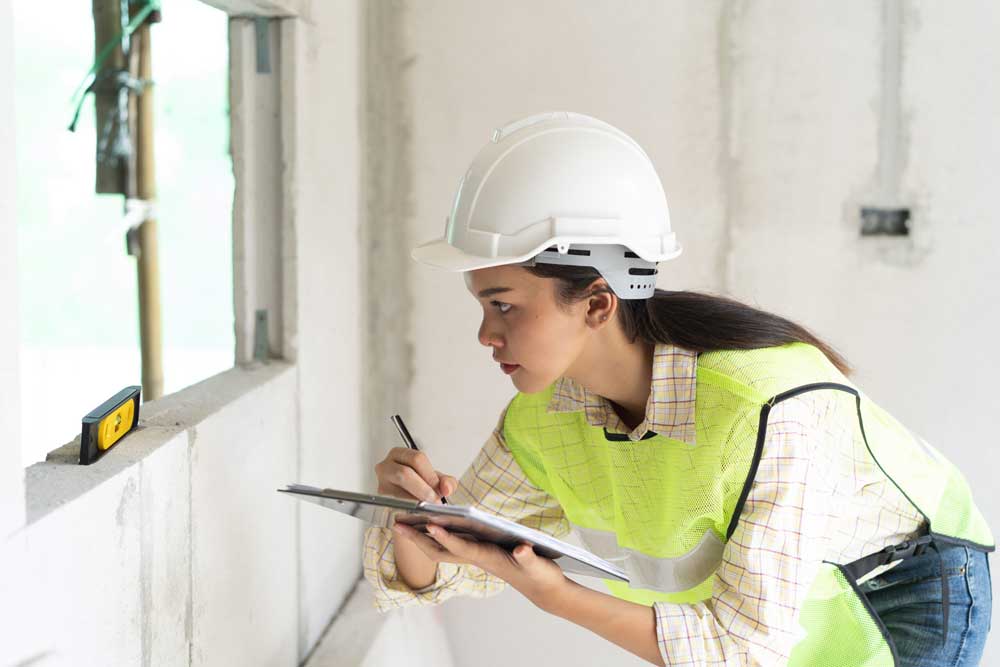
Unlike DIY kits, which rely on simple sampling methods, professional mold testers use specialized tools and protocols to locate hidden mold and identify contamination levels. A certified inspector doesn’t just collect samples. They also assess the entire indoor environment, including air quality, moisture sources, and potential structural issues contributing to mold growth.
During a mold test, experts may take air, surface, or bulk samples from different parts of your home. These are then analyzed in a lab to determine the type and concentration of mold spores present. If you’ve ever wondered how do you test for mold thoroughly, this is the gold standard.
A professional test gives you more than just results; it offers clarity, and in many cases, a path to remediation.
Why Mold Testing Matters
Mold can be more than just an unsightly patch on your wall—it can be a silent threat to your health and home. Prolonged exposure to mold may trigger allergic reactions like sneezing, itchy eyes, and skin irritation.
For some, especially those with asthma or compromised immunity, it can lead to more serious respiratory issues.
In rare cases, certain mold types may even raise questions about long-term health risks. Can mold cause cancer? Find out what the science says.
Beyond health, unchecked mold growth can damage walls, ceilings, insulation, and even structural components. That’s why mold testing is crucial—it helps you catch the problem early before it spreads.
Different levels of testing are available depending on your situation. If you’re experiencing mild symptoms or suspect surface growth, DIY kits might give you initial answers. But for ongoing issues or large-scale concerns, certified mold inspectors offer comprehensive insights that DIY methods simply can’t match.
Mold Testing Kits vs. Professional Services: A Clear Comparison
Choosing between DIY mold testers and professional mold testing depends on your needs, the severity of the issue, and how accurate you need the results to be. Here’s a quick breakdown to help you decide:
- DIY Mold Testers:
- Inexpensive and readily available at hardware stores or online.
- Useful for basic surface sampling or initial screening.
- Easy to use with minimal setup.
- Results may take several days and can be inconclusive without lab support.
- Prone to contamination and user error.
- Doesn’t provide details like spore concentration or species.
- Professional Mold Testing Services:
- Includes visual inspection, air and surface sampling, and moisture assessment.
- Offers lab-certified results with detailed mold identification and counts.
- Detects hidden mold and assesses overall air quality.
- Essential in complex cases like real estate transactions, tenant disputes, or medical symptoms.
- Comes with expert interpretation and a formal report.
- Higher cost, but greater accuracy and reliability.
Still unsure which route is right for you? Our detailed guide on [link: how to test for mold in your house] explains how DIY mold testers work and what to expect from each type of kit.
When to Get a Professional Mold Test
You should also skip the DIY home mold testing kits and call in experts if:
- Your home has had past flooding or major water leaks
- You’re in the process of buying or selling a home
- There’s an active tenant-landlord dispute regarding mold conditions
- You suspect mold is hidden in HVAC systems, insulation, or behind walls
Professional mold testing companies often use advanced tools like thermal imaging and moisture meters to detect what you can’t see or smell. For a clearer picture of what’s involved, check out what you can expect during a mold inspection.
Knowing when to escalate from at-home mold test kits to professional evaluation is essential for both peace of mind and long-term safety.
What Professional Mold Testing Involves
Professional mold testing offers far more than what over-the-counter mold testers can provide. It combines expert inspection techniques, scientific analysis, and detailed reporting to give you a full picture of what’s happening inside your home. Here’s what the process typically includes:
- Visual Inspection
A certified inspector begins by examining your home for visible signs of mold growth, water staining, warped materials, or musty odors. This walkthrough helps identify obvious problem areas as well as conditions conducive to mold growth, such as poor ventilation or high humidity. - Air Sampling
Air samples are collected from multiple indoor locations—and often one from outside for comparison. These samples measure the concentration of airborne mold spores and help detect hidden mold, especially in homes with persistent symptoms but no visible growth. - Surface Sampling (if needed)
In areas with visible mold, professionals may take swab or tape-lift samples to identify the exact type of mold present, including black mold (Stachybotrys chartarum). - Moisture Mapping
Using moisture meters, inspectors check surfaces like drywall, floors, and ceilings to detect damp areas that could harbor mold growth. Moisture mapping is crucial in post-flood or water damage situations. - Infrared Thermal Imaging
Infrared cameras help identify temperature differences in building materials, which can indicate hidden moisture behind walls or under floors. This non-invasive method is key in identifying mold in insulation, HVAC systems, or structural cavities. - Lab Analysis and Reporting
All collected samples are sent to an accredited laboratory, where they’re analyzed under a microscope. The final report includes spore counts, mold types, and expert interpretation of the results. This document is often essential for insurance claims, home sales, or legal disputes.
What Happens After the Test?
Whether you’ve used a mold tester or hired a professional, understanding the results is key to taking the next step.
Understanding the Report:
Professional reports typically include lab-verified data showing mold type, spore concentration, and areas affected. They also interpret what the results mean in terms of health risk and necessary action. DIY testers may come with lab results as well, but these are usually less detailed and may not include guidance.
Next Steps for Remediation:
If mold is confirmed, remediation is necessary, especially for toxic varieties like black mold. This may involve removing contaminated materials, deep cleaning, or improving ventilation and moisture control. For more details on budgeting, see our breakdown of how much mold removal costs.
When a Follow-Up Test Is Needed:
After remediation, a post-remediation verification test is often recommended. This ensures all mold has been successfully removed and the area is safe to reoccupy. Follow-up testing is especially important in severe cases or where occupants are sensitive to mold exposure.
Final Thoughts: Know When to Call in the Experts
DIY mold testers can offer quick insights, but they’re not a catch-all solution. When symptoms persist, damage is extensive, or peace of mind is on the line, professional mold testing brings clarity and certainty. It’s not just about identifying mold—it’s about protecting your health, your property, and your long-term safety.
Choosing the right approach depends on your situation, but knowing your options is the first step toward a mold-free home.
Frequently Asked Questions
1. How accurate are professional mold tests cmpared to DIY kits?
Professional mold tests are far more accurate due to specialized tools and lab-certified analysis. They can detect mold that DIY kits may miss and differentiate between types of mold, including those that are hazardous to your health.
2. Can I use a DIY mold tester before calling a professional?
Yes, DIY mold testers can be a helpful first step, especially if you suspect surface mold or want a general sense of air quality. However, if the results are unclear or symptoms continue, it’s best to follow up with a professional inspection.
3. Is mold always visible or smelly?
No, mold can grow hidden inside walls, under flooring, or in HVAC systems without any noticeable smell or stains. That’s why professional mold testing is often necessary when symptoms exist, but no mold is visible.
Also Read
Looking to dive deeper into mold inspection, remediation, and prevention? Here are more helpful reads: