

When you suspect indoor air quality issues or water damage, one of the first questions you will encounter is: How many mold samples do I actually need to take?
Unlike lead or asbestos testing, which often follows rigid square-footage protocols, there is no magic number or one-size-fits-all formula for residential mold testing. The right number of samples depends entirely on your home’s size, layout, HVAC setup, and whether you are investigating a localized concern or a whole-house issue.
Here is a practical breakdown of how professional mold inspectors determine how many samples are needed for a house.
1. The Golden Rule: Always Include an Outdoor Control Sample
Before counting indoor locations, every standard air-sampling protocol requires at least one (and often two) outdoor control samples.
Mold spores are a natural part of the outdoor ecosystem. An outdoor sample serves as your baseline. Without comparing indoor spore concentrations and types to what is currently floating outside in your local neighborhood, indoor spore numbers are practically meaningless.
2. Minimum Indoor Air Samples (The Baseline Strategy)
For a typical single-family home or condo, an inspector will usually recommend a baseline package to capture representative air zones:
- The Absolute Minimum: For a small apartment or a very targeted concern (like a single bedroom), inspectors usually pull at least 3 total samples: 1 outdoor baseline control, 1 indoor sample in the suspected problem room, and 1 indoor sample in a known “clean” baseline room (like the living room or upstairs hallway) for comparison.
- Average-Sized Homes (1,500–2,500 sq. ft.): Typically requires 4 to 6 samples—consisting of 1–2 outdoor controls, samples in primary living areas (kitchen, living room), and samples in key sleeping quarters or suspect zones.
- HVAC System Check: An additional air sample is frequently taken near the main air return or supply register to check if your HVAC system is actively distributing spores throughout the house.
3. Surface Samples (Tape, Swab, and Lift Tests)
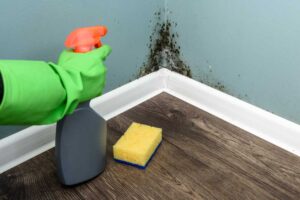
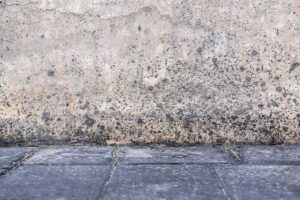
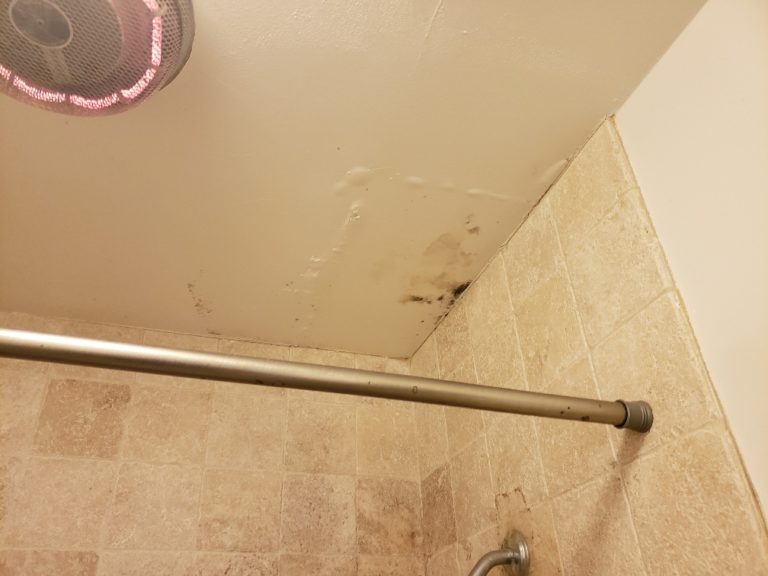
Air samples only capture what is floating in the air at the exact moment the pump runs. If you have visible staining, discoloration, or suspicious fuzz on a wall, surface testing may be necessary:
- Per Visible Area: Inspectors generally take at least one surface sample per distinct visual anomaly or different colored mold colony.
- Multiple Substrates: If mold appears on different building materials in the same room (e.g., drywall versus wooden baseboards), separate surface tape lifts may be recommended to identify if different fungal strains are present.
(Note: According to guidance from the EPA, if you already have thick, visible mold growth, expensive sampling is often unnecessary because the priority is immediate safe removal rather than identification.)
What Factors Change the Number of Samples You Need?
The total number of samples recommended during a property assessment is dictated by specific field conditions:
| Condition / Scenario | Recommended Sampling Strategy |
| Localized Leak (e.g., under a kitchen sink) | 1 outdoor control + 1 indoor air sample near the area + optional surface tape lift if growth is visible. |
| Whole-House Musty Odor with No Visible Source | 1–2 outdoor controls + air samples in every major living zone, basement, and HVAC return. |
| Post-Remediation Clearance | Multiple clearance air samples inside the remediated containment zone compared against an outdoor control. Learn more in our guide on post-water damage mold testing. |
| Condo Shared Walls or Multi-Unit Buildings | Focus sampling near party walls or shared utility chases. Read our breakdown on who should inspect mold in a condo wall. |
Frequently Asked Questions (People Also Ask)
Can I just take one air sample in the middle of the house?
No. A single air sample in the middle of a home only provides a snapshot of that exact spot at that exact second. Mold can be trapped inside wall cavities, basements, or HVAC ducts while leaving the center hallway air looking completely normal. A reliable assessment requires comparative rooms and an outdoor baseline.
Do I need a mold sample for every single room?
Usually, no. Unless you are dealing with a massive multi-room flood or a commercial building, testing every room is cost-prohibitive and unnecessary. Professional inspectors target rooms with high humidity, water history, HVAC registers, or common living areas where occupants spend the most time.
Are DIY mold test kits enough, or do I need a professional?
DIY petri-dish settling plates are generally discouraged by indoor environmental professionals. Because mold spores settle out of the air naturally everywhere, almost any open plate will grow mold colonies, often causing unnecessary panic. Professional spore-trap sampling uses calibrated pumps and laboratory analysis to quantify actual spore concentration counts.
People Also Read
- Do I Need a Mold Inspection After a Plumbing Leak If the Wall Has Dried? — Find out why surface-dry walls can harbor hidden moisture and mold colonies.
- Why Does Mold Keep Coming Back on the Same Wall After Cleaning? — Learn how microscopic hyphae roots cause mold to regenerate after surface wiping.
- Independent Property Testing Services: What You Need to Know — Explore non-destructive testing tools like thermal imaging and moisture meters.
- Who Should Inspect Mold in a Condo Wall Shared With Another Unit? — Navigate HOA responsibilities and shared party wall testing protocols.