

Do you need a mold inspection after a plumbing leak if the wall looks dry?
Yes, absolutely. Just because the surface of your wall looks and feels dry doesn’t mean you’re in the clear.
You had a plumbing leak, got it fixed, and the wall looks completely dry. Case closed, right?
Unfortunately, not always. When it comes to water damage behind drywall, what you can’t see is often what causes the most trouble. Even if the surface feels bone-dry to the touch, moisture trapped deep inside the wall cavity can create a breeding ground for mold within a matter of days.
If you are wondering whether you still need to worry about mold after a “fixed” leak, here is what you need to know about hidden moisture, warning signs, and your next steps.
Why a “Dry” Wall Can Still Hide Mold
Drying out a surface layer of drywall or wood is only half the battle. Mold can take root long before exterior surfaces look damaged due to a few hidden factors:
- The 24–48 Hour Rule: Mold spores can begin to germinate and colonize within 24 to 48 hours of water exposure. If your leak went unnoticed for more than a day before being repaired, hidden growth may have already started.
- Trapped Cavity Moisture: Just because the outer layer of sheetrock feels dry does not mean the insulation, wooden studs, or back of the wallboard have dried out. Closed wall cavities restrict airflow, leaving moisture trapped for weeks.
- Dormancy vs. Removal: Drying out a wall stops active growth temporarily, but it does not kill or eliminate existing mold spores. They can simply stay dormant and reactivate the moment humidity or moisture returns.
Red Flags That Mean You Need an Inspection Now
You don’t always need to tear down your walls immediately, but you should schedule a professional assessment or use diagnostic tools if you notice any of these warning signs:
- Persistent Musty Odor: A stale, earthy, or damp smell near the repaired area is one of the clearest indicators of hidden microbial growth.
- Unknown Duration: The plumbing leak was active or unaddressed for more than 24 to 48 hours before being fixed.
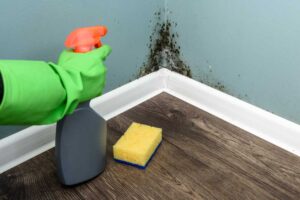
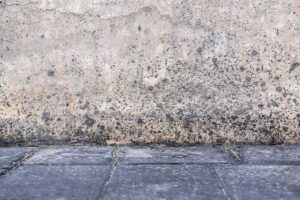
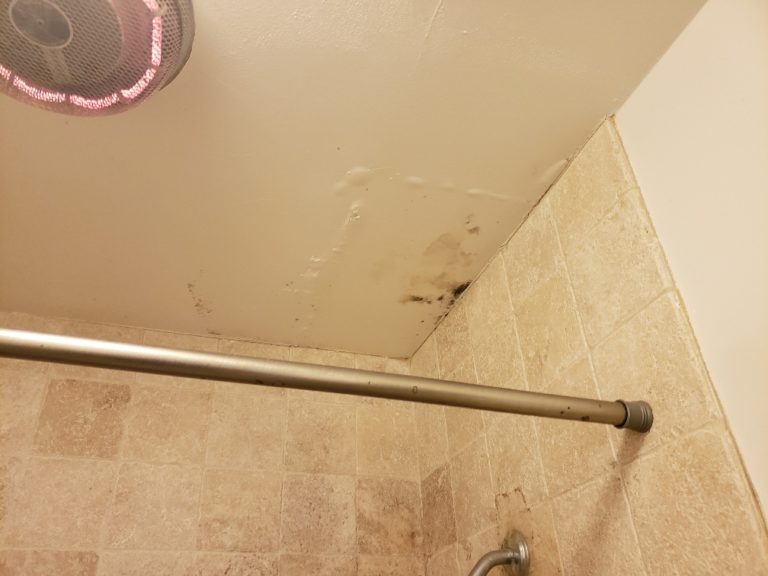
- Physical Wall Changes: Faint yellow or brown water stains, bubbling paint, soft spots in the drywall, or warped baseboards.
- Unexplained Health Symptoms: Family members experiencing unexplained sneezing, coughing, itchy eyes, or allergy-like symptoms that improve when leaving the room or house.
What to Do Next
If you suspect mold might be lurking behind your dry wall, take a systematic approach before assuming everything is fine:
- Check Moisture Levels: A home inspector or contractor can use a pinless or pin-type moisture meter along with a thermal imaging camera to check if interior framing is truly dry (ideally, wood studs should read under 15% moisture content).
- Consider a Targeted Check: Instead of paying for a full-scale house test, ask an environmental specialist for a localized inspection or a small access-hole check right where the pipe leaked.
- Inspect the Cavity If Needed: If moisture readings remain high or musty odors linger, cutting a small inspection window or removing a small section of damaged drywall is much safer and cheaper than letting hidden mold spread unchecked.