
The $5 Plumbing Shortcut Filling Bathrooms with Sewer Gas
You step into your bathroom expecting the fresh scent of soap, but instead, you are greeted by a foul, sulfurous stench akin to rotten eggs. You scrub the porcelain, bleach the grout, and run the exhaust fan for hours—yet the sewer gas smell in bathroom sink drains keeps coming back.
If this sounds familiar, the issue isn’t coming from a dirty toilet bowl or unwashed tiles. It is likely caused by a $5 plastic plumbing shortcut hidden inside your bathroom vanity.
Every year, thousands of homeowners, landlords, and DIY renovators rely on quick-fix drain kits—specifically cheap, corrugated, flexible accordion drain pipes—or fail to install a proper P-trap. While these parts save 10 minutes during installation, they compromise your plumbing’s primary defense system. Worse yet, the constant moisture buildup and off-gassing from these faulty traps create ideal conditions for severe indoor air quality issues, including toxic mold growth.
Here is why you are experiencing a sewer gas smell in bathroom sink setups, how it affects indoor air quality, and a step-by-step guide to fixing it yourself in under 30 minutes.
How a P-Trap Blocks Sewer Gas and Moisture
To understand why quick-fix plumbing fails, it helps to examine how standard bathroom drainage is engineered.
Directly beneath your sink basin sits a curved pipe known as a P-trap. Under normal operation, water flows down the drain and through the trap whenever you turn on the faucet.

Because of its curved dip, a small volume of water remains trapped in the lower bend after the faucet is turned off. This standing water creates a continuous, airtight water seal.
Municipal sewer mains and septic systems contain hazardous fumes, primarily hydrogen sulfide, methane, and ammonia. The water barrier in your P-trap forms a physical block that prevents these gases from traveling up the pipe into your home.
When that seal breaks—whether from evaporation, improper venting, or faulty piping—toxic sewer gas moves freely into your living space.
What Causes a Sewer Gas Smell in Bathroom Sink Drains?
When troubleshooting a sewer gas smell in bathroom sink installations, the primary culprit is often an illegal or poorly designed drain fitting under the vanity.
During bathroom vanity upgrades, standard rigid PVC pipes demand exact measurements and careful fitting. If the wall outlet doesn’t line up neatly with the sink tailpiece, installing rigid pipe requires extra fittings and time.
This leads many to the $5 alternative: flexible accordion drain pipes.
Sold at most home improvement stores, these flexible plastic tubes expand, bend, and twist to connect misaligned drains easily. However, professional codes like the International Residential Code (IRC) prohibit them on residential sinks for two major reasons:
1. Corrugated Ridges Collect Debris and Mold
The internal walls of flexible pipes feature dozens of plastic ridges. As wastewater flows down the drain, these crevices collect organic waste, including hair, toothpaste, skin cells, and soap scum.
As organic matter accumulates in these warm, moist ridges, it forms a persistent bio-layer. This stagnant organic buildup encourages localized fungal growth, contributing to hidden mold under bathroom sinks. The resulting decomposition produces a foul odor that compounds any sewer gas leaks.
2. They Fail to Hold a Reliable Water Seal
Flexible plastic sags under gravity and water weight over time. Instead of maintaining a sharp, uniform “U” shape, the pipe flattens out or droops too low.
If the dip sags too low: It creates a double-trap scenario that slows drainage and causes frequent clogs.
If the dip flattens out: The water line drops below the top bend, breaking the airtight seal and letting sewer gas pass freely into your bathroom.

Watch Out for S-Traps: Another common installation mistake is using an S-trap, which routes wastewater straight down through the floor rather than out through the wall. Without an integrated vent pipe, fast-draining water creates a siphon effect that pulls the protective water seal out of the trap, leaving the pipe dry.
Health Risks: Sewer Gas Exposure and Mold Growth
A compromised P-trap introduces two separate environmental hazards to your home: gaseous exposure and spore contamination.
Toxic Effects of Sewer Gas
Sewer gas consists of a blend of gases produced by decomposing household waste. Exposure level dictates the potential health impacts:
Low Exposure: Causes persistent headaches, nausea, eye irritation, dizziness, and throat discomfort.
High Exposure: High concentrations of hydrogen sulfide can cause fatigue, loss of smell, respiratory distress, and asphyxiation in unventilated areas.
The Mold Connection
Sewer gas carries high relative humidity directly out of the drainage stack. When warm, moist sewer air leaks into a bathroom vanity cabinet, it condenses on cool wood framing, drywall, and subflooring.
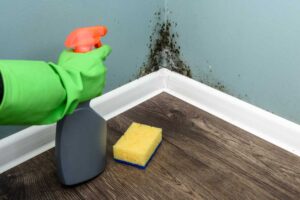
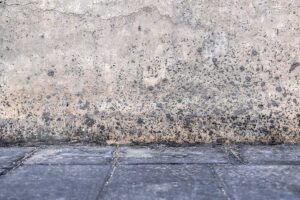
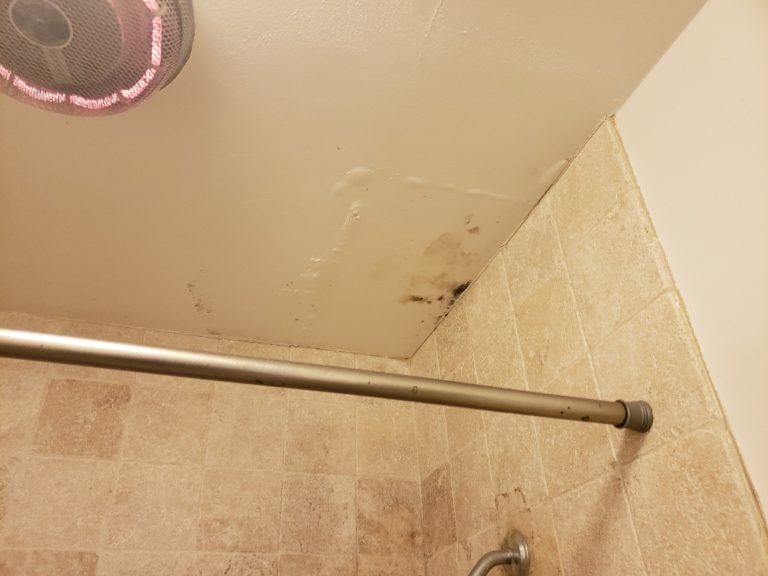
Constant condensation beneath a sink creates an ideal breeding ground for airborne fungal spores. If you notice a damp, earthy smell alongside a sulfur odor, review our guide on how to identify mold species in residential homes. Unchecked ambient moisture beneath a leaky plumbing assembly often leads to aggressive colonies of black mold.
Step-by-Step Fix: Installing a Code-Compliant Rigid P-Trap
Replacing a flexible pipe or improperly configured trap with a code-compliant PVC P-trap is a straightforward DIY project.
Tools and Materials Required
1-1/2 inch or 1-1/4 inch PVC P-Trap Kit (Includes U-bend, wall tube, and slip nuts)
Adjustable Channel-Lock Pliers
Hacksaw or PVC Pipe Cutter (If horizontal trimming is needed)
Small Bucket and Towels
Nitrile Gloves
Installing a Code-Compliant Rigid P-Trap
Follow these 6 steps to permanently block sewer gas and protect your bathroom against mold-inducing moisture leaks.
-
1
Inspect and Prepare the Work Area
Prepare bucket and safety gearPosition a small bucket directly underneath the sink drain assembly to capture trapped wastewater and sludge. Put on nitrile gloves and lay towels across the cabinet floor. Inspect the piping to confirm connection points at the sink tailpiece and wall outlet.
-
2
Remove the Existing Flexible Assembly
Disconnect slip nuts and drain residual waterUnscrew the slip-joint nuts securing the flexible accordion pipe to the vertical sink tailpiece and wall outlet pipe by turning them counterclockwise. Lower the flexible assembly straight down into the bucket to prevent dirty water from spilling onto the wood cabinet base.
-
3
Dry Fit the Rigid PVC P-Trap
Measure twice before trimming PVCAssemble your new rigid PVC P-trap without tightened washers. Slide the horizontal wall tube into the wall outlet and align the U-bend directly with the vertical sink tailpiece. If the horizontal wall tube is too long, mark the excess length and trim it cleanly with a hacksaw.
-
4
Position Slip-Joint Washers and Nuts
Position bevel washers correctlySlide a slip-joint nut onto the vertical sink tailpiece, followed by a plastic or rubber bevel washer. Ensure the tapered, narrow edge of the washer faces downward toward the trap connection. Slide a second nut and washer onto the horizontal wall tube with the tapered edge pointing toward the wall outlet.
-
5
Assemble and Tighten All Connections
Hand-tighten to avoid thread damageAlign the U-bend to join the tailpiece and horizontal wall tube. Hand-tighten every slip-joint nut until snug. Using channel-lock pliers, turn each nut an additional 1/4 to 1/2 turn. Avoid overtightening, which can distort rubber washers or crack plastic threads.
-
6
Test the Water Seal for Leaks
Stress-test the assembly with full water flowRun the bathroom faucet at full flow for 60 seconds while checking every joint for drips. Next, close the sink stopper, fill the basin completely with water, and release it all at once. This sudden pressure confirms your connections are watertight while leaving a fresh, airtight seal in the bottom of the "U."
Troubleshooting Checklist for Bathroom Drain Odors
If you have installed a rigid P-trap but still detect a persistent sewer gas smell in bathroom sink areas, run through this diagnostic checklist to isolate the cause:
| Potential Cause | What Is Happening | Recommended Solution |
| Infrequent Sink Use | Water in the P-trap U-bend evaporates after several weeks of disuse. | Run the faucet for 10 seconds weekly to keep the trap seal wet. |
| Clogged Vent Stack | Leaves or debris block the roof vent, creating a vacuum that pulls water out of the trap. | Inspect and clear the roof plumbing vent stack, or consult a plumber. |
| Bacteria in Overflow Drain | Soap scum and skin oils accumulate inside the inner sink overflow passage. | Flush the overflow hole with a funnel using a 1:1 mixture of warm water and white vinegar. |
| Failing Toilet Wax Ring | The seal beneath the toilet base has broken, letting gas seep out along the floorboards. | Pull the toilet, clean the flange, and replace the wax ring gasket. Read our guide on how to fix toilet base leaks. |
| Hidden Cabinet Mold | Past leaks created lingering fungal colonies on the underside of the vanity base. | Review our step-by-step guide on remediating bathroom cabinet mold safely. |
Sewer Gas Bathroom Sink P-Trap
A $5 flexible drain pipe may seem like a quick solution for a misaligned bathroom sink, but its design compromises your plumbing’s built-in defenses. If you are struggling with a persistent sewer gas smell in bathroom sink drains, swapping out corrugated plastic tubes for a code-compliant, rigid PVC P-trap is the single most effective fix.
By restoring a proper water seal, you eliminate toxic fumes at the source, safeguard your family’s health, and protect your home from moisture issues that lead to mold growth. For more ways to maintain a healthy home environment, explore our ultimate guide to preventing bathroom mold and moisture control.

Robert Santanastasio, B.S., CIE
Director of Industrial Hygiene | CDPH Certified Lead Inspector | Founder, Fun Guy Inspections
Robert holds a B.S. in Cellular & Molecular Biology from CSUN and brings over 10 years of field experience in industrial hygiene, toxic microbial testing, and indoor air quality diagnostics.