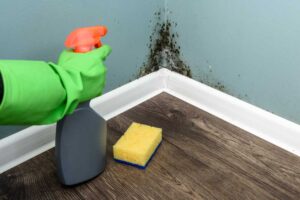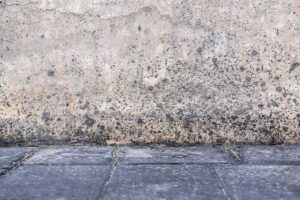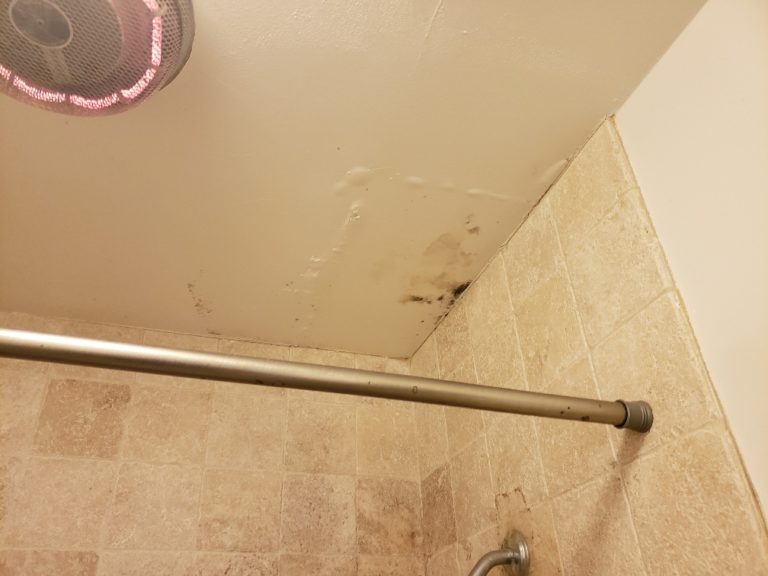


You scrub the wall clean, use your favorite spray, and for a week or two, everything looks spotless. Then, slowly but surely, those dark spots start creeping back in the exact same spot.
If you are stuck in an endless cycle of cleaning recurring mold, the problem isn’t your cleaning product—it’s what is happening behind or inside the wall.
Here is an objective look at why mold returns to the same wall and what it actually takes to break the cycle for good.
1. You Cleared the Surface, But Left the “Roots” Intact
When mold grows on porous building materials—like drywall, plaster, wood, or wallpaper—it doesn’t just sit on the surface. It sprouts microscopic, root-like structures called hyphae.
Standard cleaning sprays, household wipes, and surface scrubs only remove the visible top layer of growth. The underlying hyphae remain embedded inside the material. As soon as humidity fluctuates or moisture returns, the living roots regenerate and push new mold spores back to the surface.
2. Bleach Can Actually Make the Problem Worse on Drywall
Using household bleach on porous walls is one of the most common mistakes in mold removal.
Bleach is composed mostly of water. When applied to porous drywall or plaster, the chlorine chemical stays on the surface, while the water component sinks deep into the wall. This actually rehydrates the dormant mold roots underneath, feeding the growth you are trying to stop while simply bleaching the surface white temporarily.
3. An Unresolved Moisture Source is Still Active
Mold spores exist naturally everywhere in outdoor and indoor air. They cannot grow or colonize without one essential ingredient: moisture. If mold keeps returning to the exact same wall, water is coming from somewhere nearby.
Common hidden culprits include:
- Slow internal pipe leaks: Small pinhole leaks or dripping joints inside the wall cavity. Many property owners struggle with hidden growth even after a mold inspection after a plumbing leak because structural drying was incomplete.
- Building envelope gaps: Faulty window caulking, roof flashing leaks, or exterior wall cracks.
- Thermal bridging & condensation: Warm, humid indoor air hitting a cold exterior wall corner creates invisible surface condensation, driving localized relative humidity past 80–85%.
4. Trapped Airflow and Cold Spots
Placing heavy furniture, headboards, full-length dressers, or storage boxes flush against exterior walls restricts air circulation. Without airflow, ambient warmth cannot reach the wall surface, causing cold spots where moisture naturally accumulates.
How to Investigate and Stop Recurring Mold
To fix recurring mold permanently, you must pivot from surface cleaning to moisture investigation and material evaluation:
Step 1: Conduct a Targeted Moisture Assessment
Before scrubbing again, check if the interior structure is wet. Professional property testing services or diagnostic tools like pin/pinless moisture meters and thermal imaging cameras can identify whether moisture is trapped behind the drywall without tearing up the room.
Step 2: Fix the Water Source First
No cleaning product or mold-resistant paint will work if a slow leak or high condensation persists. Address plumbing leaks, fix exterior drainage, or adjust indoor relative humidity (aiming for 30% to 50% relative humidity).
Step 3: Remove Heavily Compromised Porous Materials
If drywall, insulation, or baseboards have been saturated or repeatedly colonized by hyphae, surface treatments will fail. Learn more about when to restore versus replace materials in our guide to post-water damage mold testing.
Step 4: Improve Ventilation and Spacing
Keep furniture at least 2 to 3 inches away from exterior walls to allow proper heat and air movement. In high-moisture rooms like bathrooms, ensure exhaust fans run during and for 20 minutes after use.
Frequently Asked Questions (People Also Ask)
What kills mold permanently behind drywall?
Nothing sprayed on the surface will permanently kill mold trapped inside or behind drywall. Because drywall is porous, microscopic mold roots (hyphae) penetrate deep into the material. The only permanent solution is to locate and fix the active moisture source, then cut out and replace the compromised drywall.
Is returning mold dangerous to live with?
Recurring mold indicates active, unaddressed moisture inside your wall cavity. Continuous exposure to active mold growth can trigger respiratory issues, nasal congestion, eye irritation, and heightened allergy or asthma symptoms, particularly in children and sensitive individuals.
Can I just paint over recurring mold with anti-mold paint?
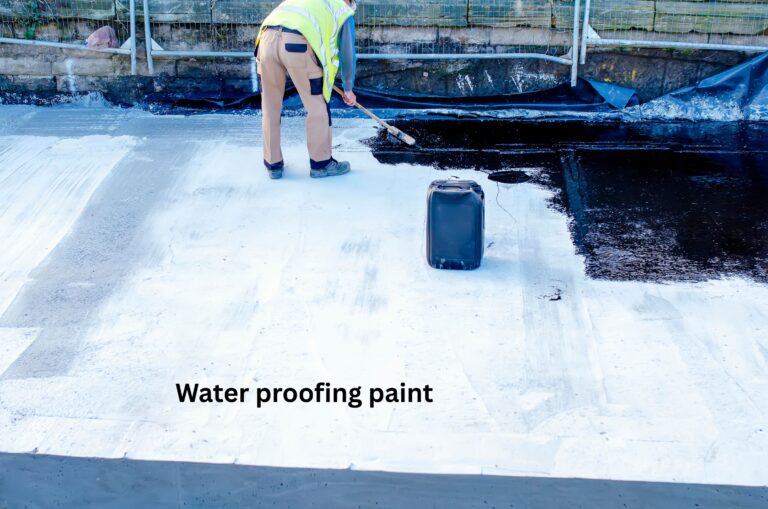
No. Painting over active or returning mold only traps moisture temporarily. The mold will continue to break down the drywall underneath and will eventually cause the paint to bubble, peel, or push back through the surface. Always fix the leak, dry the structure, and clean or replace the material before painting.
How do I know if mold is inside my wall or just on the surface?
If the wall feels soft, shows bubbling paint, produces a persistent musty smell even after cleaning, or shows recurring spots in the exact same location, the growth is coming from inside the wall cavity. Using a pinless moisture meter or thermal camera can confirm hidden moisture without cutting into the wall.