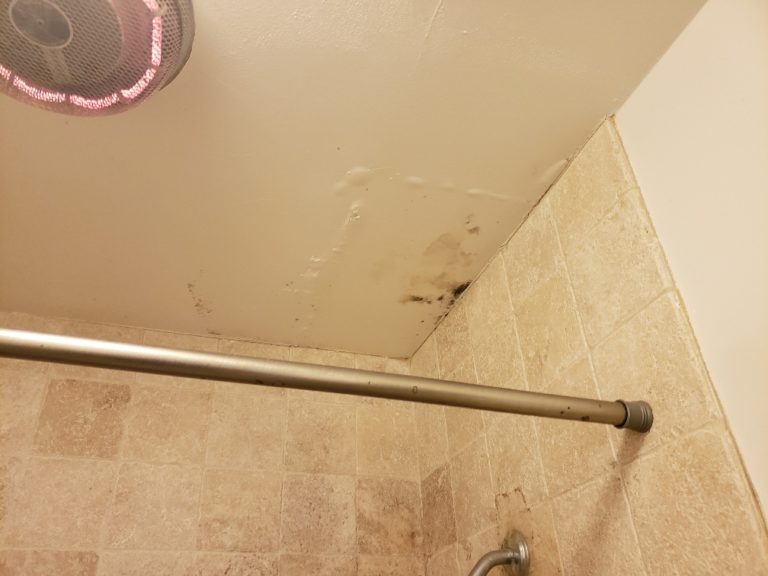


Finding mold on a wall shared with a neighbor is one of the most complex situations a condominium owner or tenant can face. Unlike a single-family home where you control the entire structure, shared walls in condos sit directly at the intersection of private unit ownership, neighbor relations, and Homeowners Association (HOA) or Condominium Association (COA) governance.
If you spot water damage or smell a musty odor along a party wall, here is an objective guide to who is responsible for inspecting the mold, how liability is determined, and the immediate steps you should take.
Who Should Inspect Mold in a Condo Wall Shared With Another Unit?Who Is Responsible?
In most multi-family buildings, the HOA or Condominium Association is legally obligated to investigate first if the moisture originates inside a shared wall or stems from a common building element (such as a vertical plumbing stack, roof drain, or structural exterior envelope).
Responsibility generally breaks down across three distinct scenarios depending on where the moisture originates:
| Water/Moisture Source | Responsible Party | Primary Action Needed |
| Common Element (Shared pipe stack, roof leak, exterior wall) | HOA / COA Board | Association covers inspection, structural drying, and drywall repair under its master policy. |
| Neighboring Unit (Overflowing tub, leaking toilet seal, appliance) | Adjoining Unit Owner | Neighbor or their HO-6 homeowner insurance policy is financially liable for repairs. |
| Your Own Unit (Internal supply line failure or fixture overflow) | You (Unit Owner) | You handle remediation and repairs directly via your private insurance or out-of-pocket. |
3 Key Professionals Who Inspect Shared-Wall Mold
Because mold is a symptom of an active water issue, identifying the root cause requires specific experts:
1. The Condominium Association (HOA/COA) & Property Management
Your first formal notification should always go to your building’s board or management company in writing. Under most governing documents (CC&Rs), party walls and inter-unit utility spaces are classified as Common Elements or Limited Common Elements. The association has a fiduciary duty to preserve building integrity and investigate structural moisture intrusion.
2. A Certified Independent Mold Inspector
If your HOA is slow to respond, denies responsibility prematurely, or if you want an unbiased baseline assessment, you can hire an independent indoor environmental professional or certified mold inspector. Using non-invasive tools like pinless moisture meters and infrared thermal imaging, an specialist can document hidden water tracking inside the wall cavity without causing unnecessary destruction. You can learn more about how independent diagnostics work through our overview on independent property testing services.
3. A Licensed Plumber or Leak Detection Specialist
An inspector identifies where the moisture and mold are located, but a licensed plumber or leak detector pinpointing internal pipe failures is often necessary. They perform pressure tests on shared supply stacks, waste lines, or adjoining bathroom fixtures to locate the leak source.
How Responsibility and Cost Are Determined
Determining who pays for the inspection and subsequent repairs depends entirely on the source of the water:
- Common Element Failure: If a main riser pipe inside the wall cavity leaks, or if water enters through an exterior building facade, the association covers the inspection, structural drying, and drywall repair under its master insurance policy.
- Adjoining Unit Negligence: If the moisture stems from an overflowing tub, leaking toilet seal, or failing washing machine hose inside your neighbor’s unit, that specific unit owner (or their HO-6 homeowner insurance policy) is typically held financially liable for damages to your unit.
- Review Your CC&Rs: The precise boundary line separating private property from common elements is defined in your condo’s Declaration of Condominium and Bylaws (CC&Rs). Always reference these documents when submitting an official claim.
If you have recently had a plumbing repair nearby that was supposedly dried out, make sure to read our detailed guide on performing a mold inspection after a plumbing leak to verify if hidden cavity moisture is still an issue.
What to Do Immediately: A Step-by-Step Protocol
- Document the Evidence: Take clear photographs and videos of the affected wall area, including any paint bubbling, discoloration, or visible growth.
- Notify Property Management in Writing: Send an email or formal letter to the HOA board detailing the date and time you noticed the issue. Request an immediate moisture assessment.
- Notify Your Neighbor Politely: Inform your adjoining neighbor of the potential leak. In many cases, they may be unaware that a slow leak under their bathroom cabinet is seeping into the shared wall cavity.
- Schedule a Non-Invasive Moisture Check: If there is a delay or disagreement between parties, arrange for an independent inspection to obtain official moisture readings and air sample baselines.
- Evaluate Recurring Issues: If mold keeps reappearing after you wipe it down, check out our guide on why mold keeps coming back on the same wall after cleaning to understand root hyphae growth.
Frequently Asked Questions (People Also Ask)
Can I cut into a shared condo wall to check for mold myself?
No. Cutting into a shared party wall without written authorization from your HOA or condo board can violate building bylaws and local building codes. Shared walls often house fire-rated drywall assemblies, soundproofing layers, and vertical utility conduits. Always insist on non-invasive thermal imaging or professional access authorization first.
What if my HOA refuses to inspect mold in a shared wall?
If your association fails to act, send a formal written notice via certified mail highlighting the potential health risks and building damage. You can hire an independent certified mold inspector to conduct a non-destructive moisture investigation. If the resulting report confirms water coming from a common element, you can submit the report and bill to the HOA for reimbursement.
Does my condo insurance (HO-6) cover mold in a shared wall?
Condo insurance (HO-6 policies) typically covers mold remediation if the underlying cause was a “covered peril,” such as a sudden plumbing burst. However, if the mold resulted from long-term unresolved maintenance or seepage, insurance may limit or deny coverage. Your insurer will usually seek subrogation from the HOA’s master policy or your neighbor’s insurance if they were at fault.
How do I know if the mold is coming from my neighbor’s condo?
If moisture readings are highest near shared fixtures (such as back-to-back bathroom or kitchen walls), or if thermal imaging shows a wet plume running downward from the ceiling line, the water source is likely originating from the upper or adjacent unit.
People Also Read
- Do I Need a Mold Inspection After a Plumbing Leak If the Wall Has Dried? — Discover why a surface-dry wall can still trap moisture inside structural cavities and lead to hidden mold growth.
- Why Does Mold Keep Coming Back on the Same Wall After Cleaning? — Learn why surface cleaning fails on porous drywall and how microscopic hyphae roots regenerate.
- Independent Property Testing Services: What You Need to Know — A complete guide to non-destructive testing, thermal imaging, and objective moisture evaluations.
- Post-Water Damage Mold Testing: When to Restore vs. Replace — Understand when building materials can be professionally dried and cleaned versus when they must be cut out and replaced.